

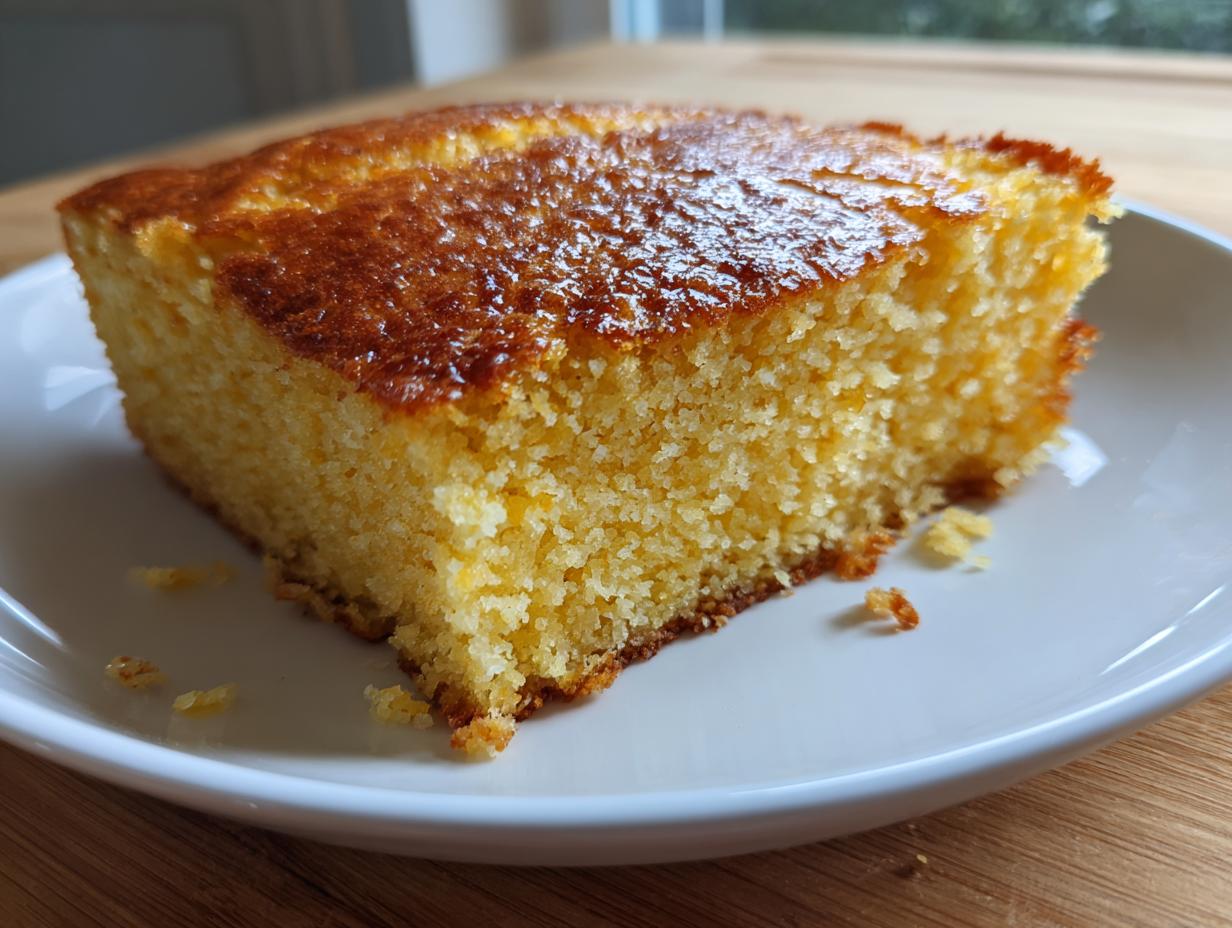
There’s just something about classic Southern cooking that brings me right back home. After running around city marketing plans for years, I found myself missing that simple, grounding feeling you get when you pull something truly comforting out of the oven. That’s why I developed this recipe for the ultimate moist and fluffy buttermilk cornbread. It’s everything you want in a traditional side dish—tender on the inside, perfectly crisp on the edges—but made so easily that it fits right into your busy week. I’ve tweaked and tested this until it’s foolproof, just like my grandmother taught me to focus on quality over complexity. It’s the easiest way to bring that warm-kitchen feeling back to your dinner table.
- Why This Is The Best Buttermilk Cornbread Recipe (Moist & Fluffy)
- Ingredients for Classic Buttermilk Cornbread
- How to Prepare Your Cast Iron Buttermilk Cornbread
- Tips for Making the Best Homemade Buttermilk Cornbread
- Serving Suggestions for Your Classic American Side Dish
- Storage and Reheating Instructions
- Frequently Asked Questions About Buttermilk Cornbread
- Nutritional Snapshot of This Comfort Food Baking
- Share Your Experience Making This Buttermilk Cornbread
Why This Is The Best Buttermilk Cornbread Recipe (Moist & Fluffy)
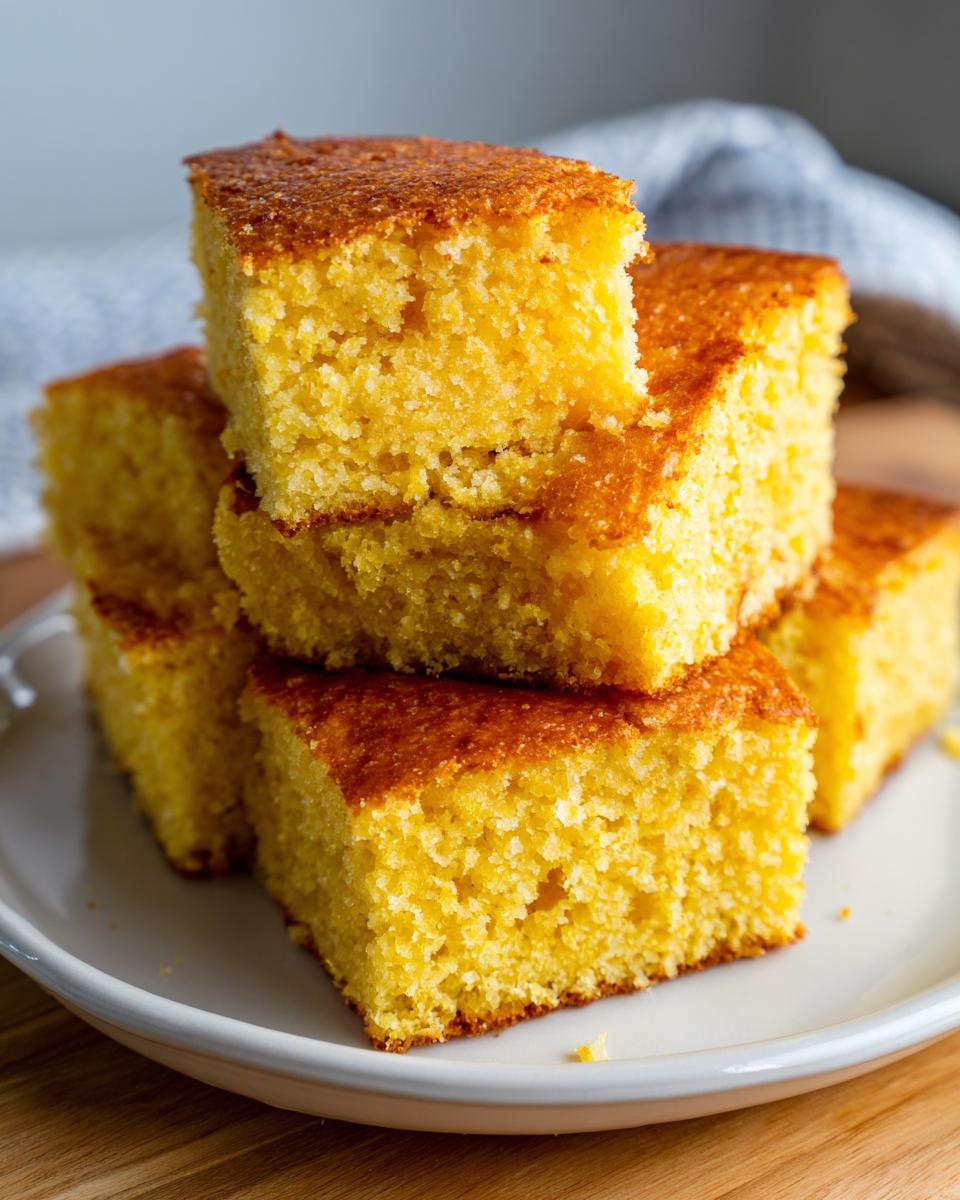
If you’ve been chasing that elusive, perfectly tender slice that doesn’t crumble into dust the moment you look at it, I think I finally cracked the code! This buttermilk cornbread hits that sweet spot between cake-like fluffiness and rustic Southern goodness. It’s honestly so easy, you’ll be shocked by the results. Seriously, you can whip this up faster than ordering takeout.
- It stays incredibly moist for days, which is unheard of for most cornbread recipes!
- It uses just two bowls—less cleanup, which I absolutely love.
- The cast iron skillet preparation guarantees those heavenly, slightly chewy, crispy edges everyone fights over.
- It nails that traditional Southern flavor profile without being overly complicated.
Achieving That Perfect Southern Cornbread Texture
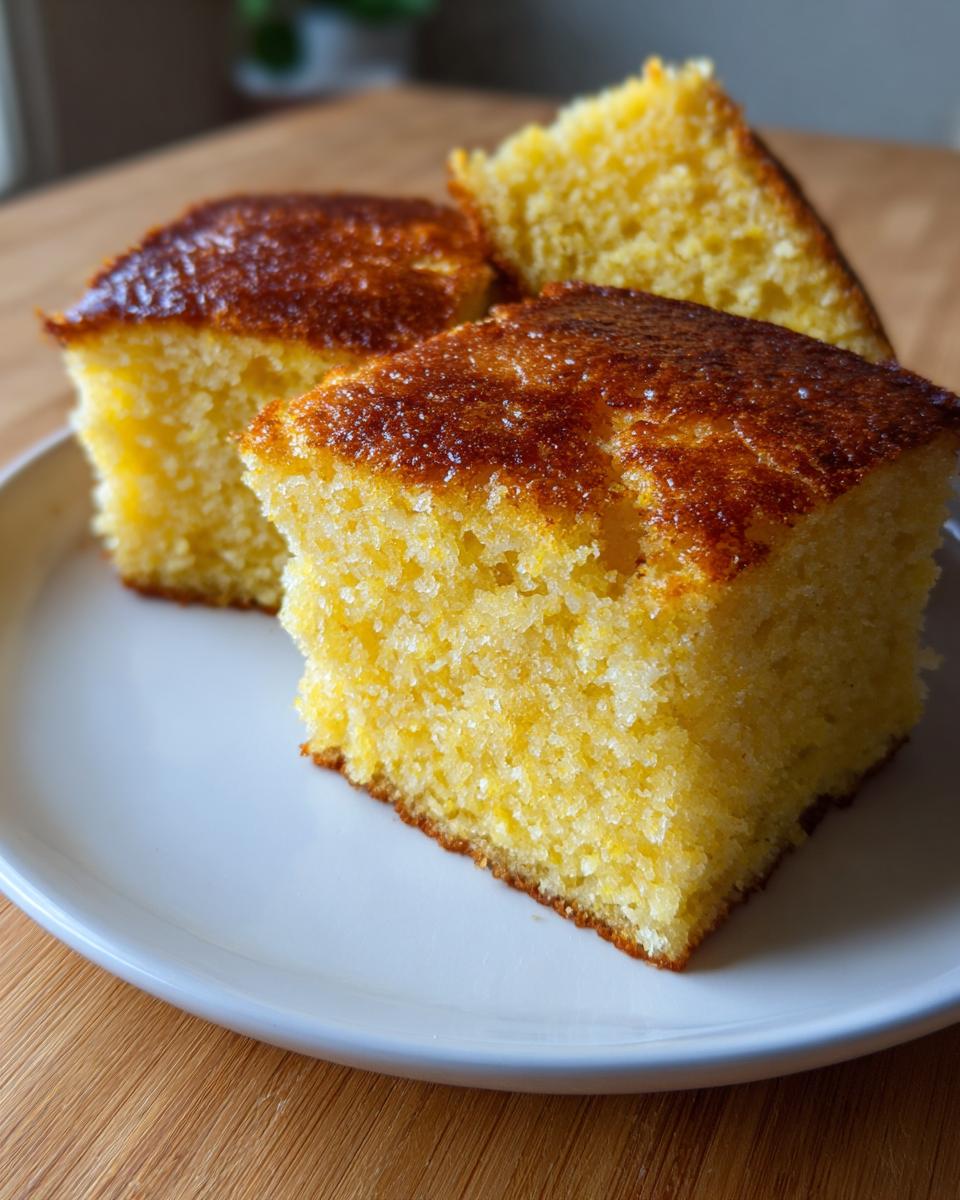
The secret to a non-crumbly bread is two-fold, really. First, that amazing acidity in the buttermilk reacts perfectly with our baking powder, giving it just the right lift—not heavy, but not airy, either. Second, you absolutely have to use a screaming-hot cast iron skillet. When that thin layer of butter sizzles and coats the batter the second you pour it in, that’s what locks in the moisture on the bottom and sides, giving you that beautiful, slightly crunchy crust we all crave in Southern cornbread.
Ingredients for Classic Buttermilk Cornbread
When I switched to focusing on simple, quality ingredients, my *buttermilk cornbread* baking completely changed for the better. This recipe keeps things totally straightforward, using pantry staples that pack a major flavor punch. Precision matters here, especially with the buttermilk! If you can, let your cup of buttermilk sit on the counter for about 15 minutes before you start mixing so it’s not ice-cold straight from the fridge. That little step helps everything combine beautifully.
Here’s exactly what you’ll need for a perfect batch:
- 1 1/2 cups fine yellow cornmeal
- 1 cup all-purpose flour
- 1/4 cup granulated sugar (you can absolutely drop this to 2 tablespoons if you like it savory!)
- 1 tablespoon baking powder
- 1 teaspoon salt
- 1 cup buttermilk (just shy of room temperature is perfect)
- 1/2 cup unsalted butter, melted, plus a good extra pat for preparing the skillet
- 2 large eggs
How to Prepare Your Cast Iron Buttermilk Cornbread
Getting this classic buttermilk cornbread right is all about timing and heat control. If you follow these steps, you’ll have that beautiful golden crust without sacrificing the tender interior. Total time is incredibly quick—we’re looking at maybe 10 minutes of prep and just 25 minutes in the oven. It’s truly the perfect quick bread for a weeknight dinner!
Preheating: The Secret to Crispy Edges for Your Buttermilk Cornbread
This is the step I never skip! Preheat your oven all the way up to 400°F. You want that 10-inch cast iron skillet sitting right in the middle of the oven as it heats up completely. Don’t try to rush this; the pan needs to be scorching hot. Once you’re ready to mix the batter (which only takes a few minutes), carefully grab that hot skillet, drop in about a tablespoon of butter, and swirl it around. That butter should sizzle immediately—that sign tells you the pan is ready for action!
Mixing the Batter for Fluffy Cornbread
When combining your wet and dry ingredients, remember this golden rule: be gentle! In one bowl, whisk your dry stuff (cornmeal, flour, baking powder, salt, and sugar). In the other, whisk the buttermilk and eggs, then quickly add the melted butter. Now, pour all the wet stuff into the dry mixture. Mix it with a spatula, but stop mixing the second you don’t see long streaks of dry flour. Trust me, lumps are your friends here. If you overmix, you’ll develop gluten and end up with tough, chewy cornbread instead of that lovely, fluffy texture.
Tips for Making the Best Homemade Buttermilk Cornbread
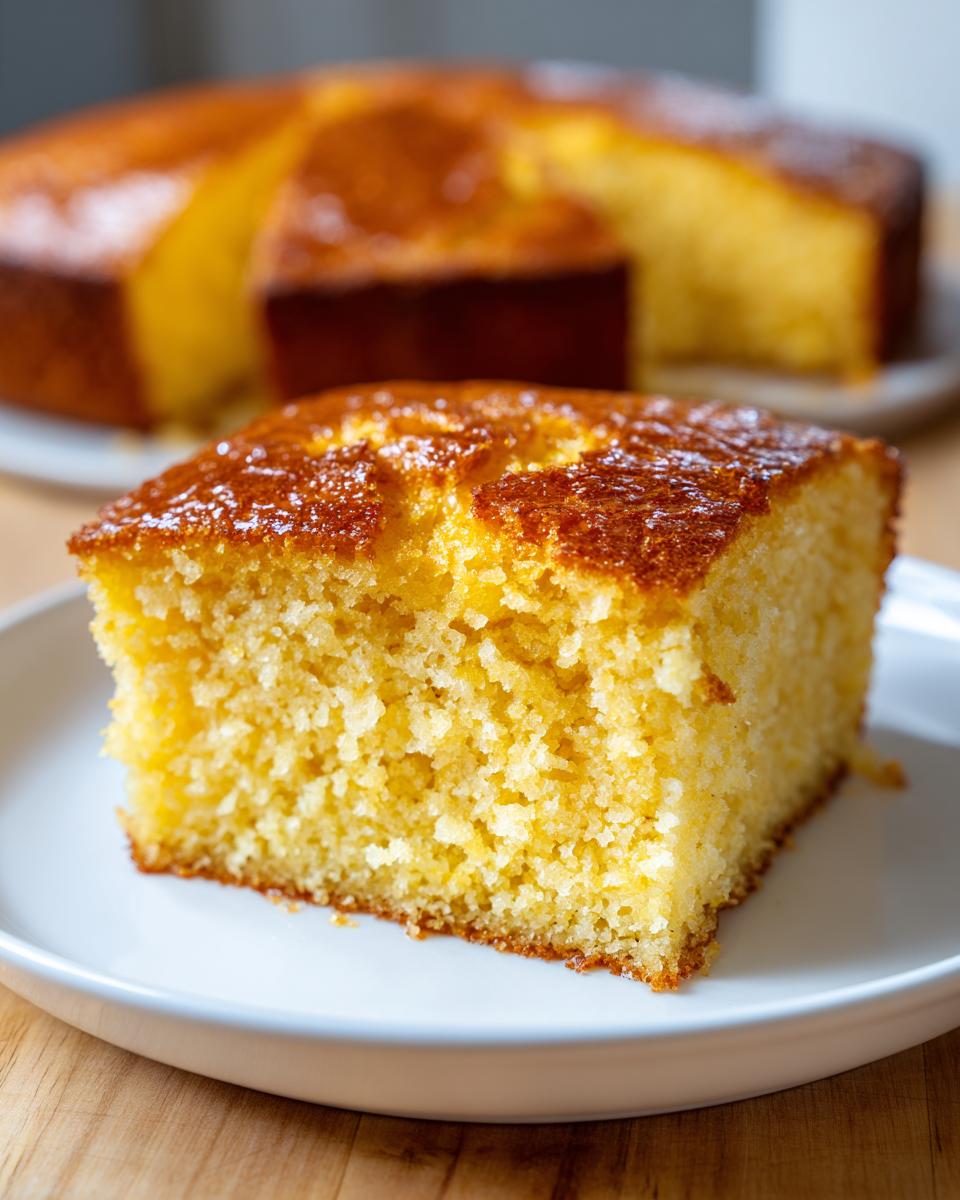
You asked for the best homemade buttermilk cornbread, and to get there, we sometimes need a little reassurance on the ingredients. Honestly, a lot of people get worried about texture or sweetness, so let me walk you through a couple of my favorite adjustments. Remember, this is about making it *yours*, while keeping that lovely Southern profile.
If you want those super-crispy edges—that glorious crunch that makes buttermilk cornbread taste so authentic—the heat of that skillet is everything. Don’t skimp on preheating it for a full 15 minutes! Also, always feel free to tweak the sugar. If you eat yours mostly with savory chili or smoky barbecue, cut that sugar way back. If you like it slightly sweet, stick to the recipe. It’s all good!
Ingredient Notes and Substitutions
The reason we use buttermilk in this recipe is crucial; that acid is what makes the magic happen with the baking powder, giving the bread that wonderful lift without tasting sour. It’s the key to that tender crumb we’re chasing.
Now, what happens if you open the fridge and realize you’re out of the good stuff? Don’t panic! You can easily whip up a quick substitute. For every cup of buttermilk required, just mix one cup of regular milk (whole is best!) with one tablespoon of white vinegar or fresh lemon juice. Let that sit on the counter for about five minutes until it curdles slightly. It acts exactly like buttermilk for baking purposes. I learned this trick years ago when visiting friends down South who ran out before a big pot of beans was ready! For more traditional Southern takes, check out this great recipe here.
Serving Suggestions for Your Classic American Side Dish
Honestly, this buttermilk cornbread is perfect just the way it comes out of that sizzling skillet, but it sure does love company! It’s my go-to dinner bread when we make a big pot of chili—it’s perfect for crumbling right on top to soak up all those flavors.
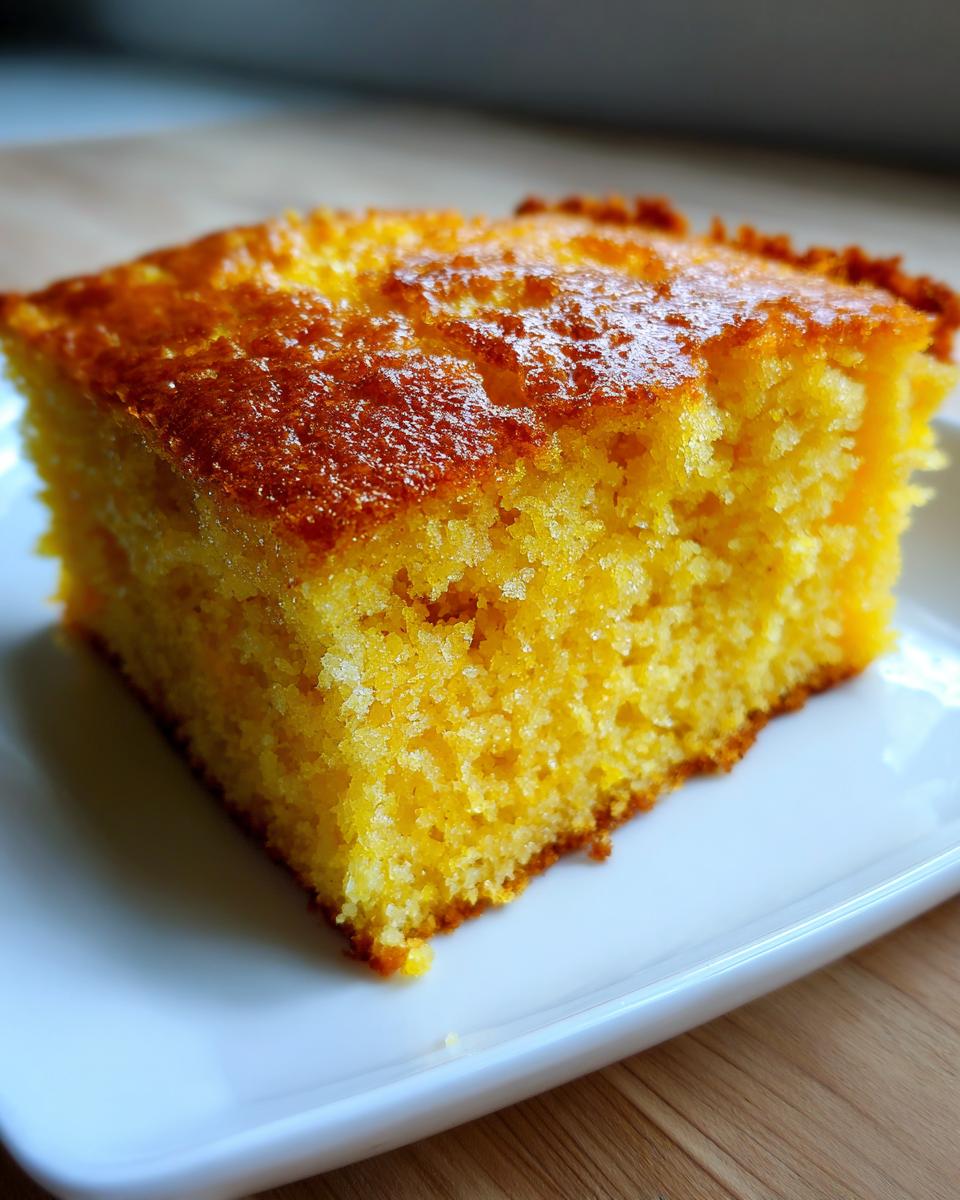
It also shines right next to anything smoky, especially barbecue pulled pork or ribs. Save yourself the fuss trying to make rolls; this is the true classic American side dish. Don’t forget the simple stuff either! A thick slice smeared with real, salted butter or drizzled with local honey is pure heaven when it’s still warm. It’s simple comfort food at its absolute best.
Storage and Reheating Instructions
I always hope there are leftovers because this cornbread tastes fantastic the next day, especially next to leftover soup! But since it’s made with buttermilk and fresh ingredients, storage is important to keep that tenderness. You want to avoid the fridge if you can, because the cold temperature makes quick breads dry out way too fast.
If you think you’ll eat it all within two days, just cover the skillet or transfer the slices into an airtight container at room temperature. It stays surprisingly fresh on the counter for 48 hours. If you need to keep it longer than that, you’ll have to box it up and refrigerate it, but prepare for a little drying!
Waking Up Leftover Cornbread Magic
Reheating is where you get that glorious, just-baked texture back! Please, please avoid the microwave for this. It heats the starches up too fast and makes it chewy and hard. We want soft centers and crispy edges, remember?
For that incredible, just-out-of-the-oven feel, take your slices and wrap them individually in aluminum foil before placing them in a 350°F oven for about 10 to 12 minutes. The foil traps the steam and reintroduces that missing moisture. If you want maximum crispness on the outside, unwrap them for the last two minutes of heating. It just brings back that crackly, buttery crust perfectly.
Frequently Asked Questions About Buttermilk Cornbread
I know you might have a few lingering questions before you pull that skillet from the oven! I get asked all the time how to adjust this recipe. Don’t worry about getting things perfect; this buttermilk cornbread recipe is pretty forgiving, but here are the answers to the most common things I hear from other home cooks.
Can I make this cornbread sweeter or more savory?
Absolutely! That’s the beauty of making this homemade cornbread yourself. The recipe calls for 1/4 cup of sugar, which gives you that slightly sweet Southern style that my family loves alongside BBQ. If you prefer a truly savory profile—the kind you want alongside a big bowl of chili—just cut that sugar down to 2 tablespoons. You’ll still get great browning, but the corn flavor really takes the front seat.
Must I use a cast iron skillet for this recipe?
Technically, no, you don’t *have* to, but if you want the absolute best buttermilk cornbread experience, yes! The cast iron skillet is key for getting those beautiful, golden, and extremely crispy edges because it holds heat so well. If you don’t have one, a 9×9 inch metal baking pan will work fine. Just make sure you generously grease it with butter before you pour in the batter. You just won’t get that signature crust, and frankly, that crust is half the fun!
I don’t have buttermilk—what can I use instead?
This is my favorite troubleshooting question! Since this is a quick bread recipe built around buttermilk, you need that acidity. If you’re out, pour one tablespoon of white vinegar or lemon juice into a measuring cup, then fill it up to the 1-cup line with regular milk. Let it sit for about 5 minutes until it looks slightly curdled. That mimics buttermilk perfectly, and your moist cornbread will turn out fantastic!
Does this work if I use self-rising flour instead of all-purpose?
I strongly advise against swapping in self-rising flour here. The recipe relies on the exact balance between salt, baking powder, and all-purpose flour to interact with the acid in the buttermilk. If you use self-rising, you risk having too much lift, which can make your fluffy cornbread collapse or taste slightly metallic. Stick to the all-purpose flour for this classic rendition!
Nutritional Snapshot of This Comfort Food Baking
I always get asked about the numbers when I share these comforting recipes, but I want to set expectations right away! When you’re making something this lovingly by hand, the nutrition can shift depending on your brand of cornmeal or exactly how much butter you swirl into the pan. So, please take these numbers as a fantastic starting point, not a strict guarantee, okay?
Here’s what my estimates look like for one generous slice of this delicious comfort food baking:
- Serving Size: 1 slice
- Calories: About 250
- Sugar: 6g
- Sodium: 350mg
- Fat: 14g (That’s mostly the good butter content!)
- Carbohydrates: 28g
- Protein: 5g
This is just an estimate based on the specific ingredient measurements I used. If you add a ton of honey on top, you’ll naturally see those sugar and calorie counts jump up, but that’s half the fun of eating it, right? Feel free to use this as a guide as you enjoy your classic American side dish!
Share Your Experience Making This Buttermilk Cornbread
Okay, now that you’ve pulled that golden, sizzling skillet out of the oven, I really want to hear about it! Making food that brings joy is the whole reason I started Misty Plate. Did the edges get super crispy? Were you team savory and ate it plain, or did you slather it with honey?
Please, take a minute to rate the recipe right here on the page—your feedback helps other home cooks just starting out feel confident about trying it. And if you snapped a picture of your beautiful **buttermilk cornbread** next to your chili or barbecue, tag me! I love seeing how this classic bread makes its way into all your kitchens.
If you have any last-minute questions or just want to share a substitution you tried, drop a comment below. I check in often, and I promise to get back to you. If you need to reach out directly about something private, you can always find my contact info right here. Happy baking, and thanks for trusting me with your dinner table!
PrintThe Best Moist Buttermilk Cornbread Recipe (Classic Southern Style)
Bake this classic Southern buttermilk cornbread for a tender, moist crumb and slightly crisp edges. This easy recipe uses simple ingredients and is perfect served alongside chili or barbecue.
- Prep Time: 10 min
- Cook Time: 25 min
- Total Time: 35 min
- Yield: 8 servings 1x
- Category: Side Dish
- Method: Baking
- Cuisine: American
- Diet: Vegetarian
Ingredients
- 1 1/2 cups yellow cornmeal
- 1 cup all-purpose flour
- 1/4 cup granulated sugar (adjust for sweetness preference)
- 1 tablespoon baking powder
- 1 teaspoon salt
- 1 cup buttermilk
- 1/2 cup unsalted butter, melted, plus extra for greasing the skillet
- 2 large eggs
Instructions
- Preheat your oven to 400°F (200°C). Place a 10-inch cast iron skillet in the oven while it preheats.
- In a large bowl, whisk together the cornmeal, flour, sugar, baking powder, and salt.
- In a separate medium bowl, whisk together the buttermilk and eggs until combined.
- Pour the melted butter into the buttermilk mixture and stir briefly.
- Pour the wet ingredients into the dry ingredients. Mix with a spatula just until combined. Do not overmix; a few lumps are acceptable.
- Carefully remove the hot skillet from the oven. Add 1 tablespoon of butter to the hot skillet and swirl to coat the bottom and sides completely. The butter should sizzle.
- Pour the cornbread batter immediately into the hot, buttered skillet.
- Bake for 20 to 25 minutes, or until the top is golden brown and a toothpick inserted into the center comes out clean.
- Let the cornbread cool in the skillet for 5 minutes before slicing and serving warm.
Notes
- For extra crispy edges, ensure your cast iron skillet is fully preheated before adding the batter.
- If you prefer a less sweet cornbread, reduce the sugar to 2 tablespoons.
- This cornbread pairs well with honey or a pat of salted butter.
Nutrition
- Serving Size: 1 slice
- Calories: 250
- Sugar: 6g
- Sodium: 350mg
- Fat: 14g
- Saturated Fat: 8g
- Unsaturated Fat: 6g
- Trans Fat: 0g
- Carbohydrates: 28g
- Fiber: 1g
- Protein: 5g
- Cholesterol: 65mg