

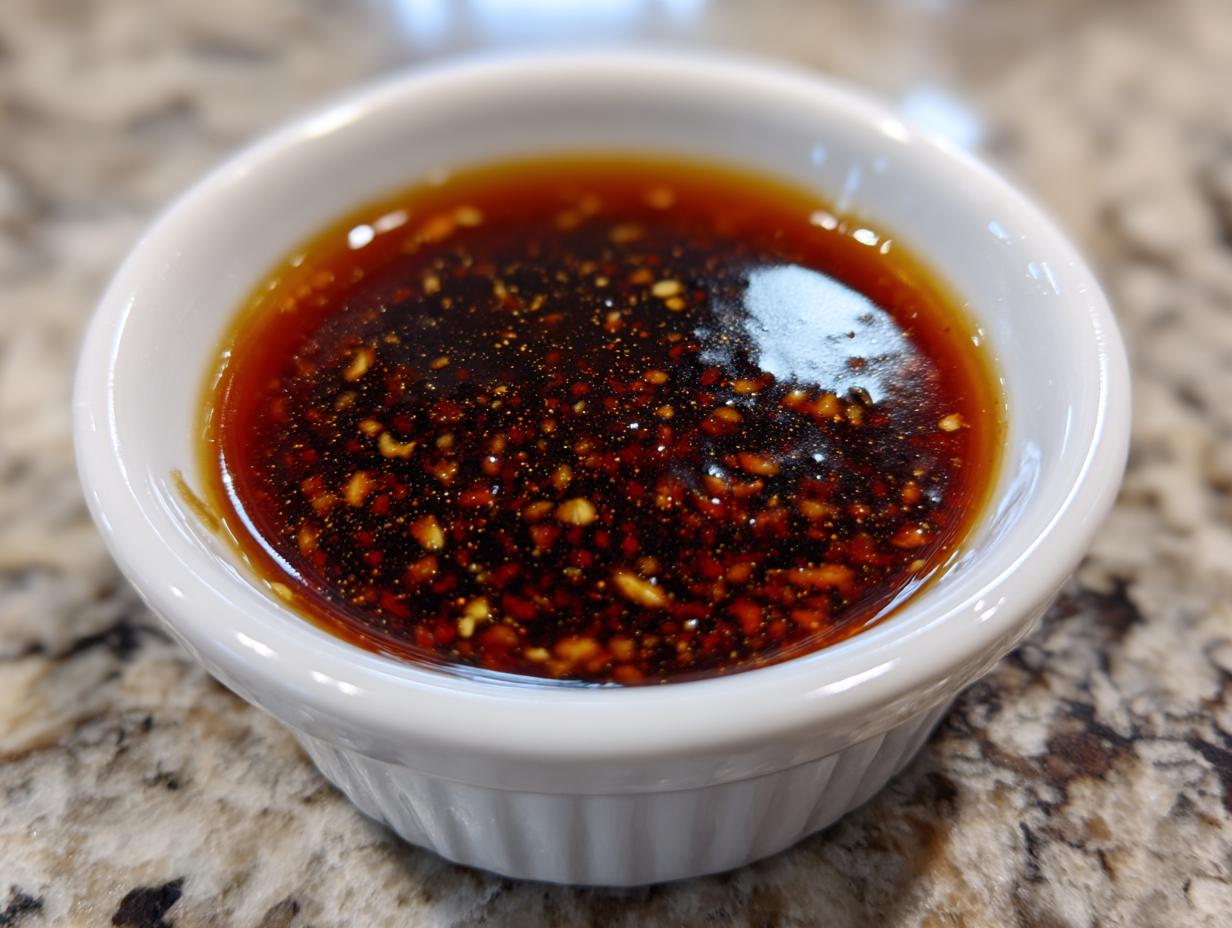
Oh, you know that heartbreak? You’re whipping up a quick stir-fry, thinking you’ll save time grabbing that bottle of teriyaki sauce off the shelf, only to realize it tastes… thin? Too sweet? Like it’s mostly high-fructose corn syrup bragging about its ‘Asian flavor’? Trust me, I’ve been there. Back when my marketing career was roaring and I barely had time to breathe, bottled sauces were a necessity. But I promised myself I’d find a way back to real food, to the simple acts of care that used to ground me in Grandma’s kitchen. That’s how I cracked the code on this incredible, **homemade teriyaki sauce**.
Forget everything you thought you knew about making this classic Asian staple. This isn’t some complicated, hours-long simmer. We are talking about a rich, wonderfully **thick teriyaki sauce** that comes out perfectly **glossy**—I mean truly restaurant-quality—in about 15 minutes total. It’s the perfect balance of that **sweet and savory sauce** flavor you crave, using ingredients you probably already have. You deserve better than the jarred stuff, and I’m going to show you how utterly simple it is to make the best version right on your stovetop. Once you taste this, you’ll never go back. Ready to elevate your next meal? Check out some other quick fixes for busy nights here: weeknight dinner ideas!
- Why This Homemade Teriyaki Sauce Beats Store-Bought
- The Simple Pantry Ingredient Sauce for Your Teriyaki Sauce
- How to Prepare Your Easy Teriyaki Recipe
- Versatile Teriyaki Marinade Ideas and Uses
- Make Ahead Stir Fry Sauce and Storage Instructions
- Serving Suggestions for Your Homemade Teriyaki Sauce
- Frequently Asked Questions About Making Teriyaki Sauce
- Understanding the Nutrition of This From Scratch Sauce
- Share Your Best Teriyaki Sauce Creations
Why This Homemade Teriyaki Sauce Beats Store-Bought
Honestly, the moment you start making your own **teriyaki sauce**, you realize just how much flavor those store-bought bottles are missing. It’s night and day! This homemade version isn’t just a little better; it’s miles ahead. You get complete control over the saltiness, the sweetness, and the overall punch of fresh aromatics like ginger and garlic. That’s how we achieve that truly balanced **sweet and savory sauce** profile. Trust me when I say this scratch-made version is undeniably **better than store bought sauce**.
Quick Teriyaki Sauce: Ready in Minutes
The best part? It’s so fast. If you think whipping up a complex glaze takes forever, think again. This entire process, from gathering a few simple things to having a sizzling, dipping consistency, takes about 15 minutes—maybe less! That means you can still get a delicious, elevated meal on the table even when life gets hectic. It’s the perfect **easy teriyaki recipe** for when you need a dinner upgrade fast.
Achieving That Perfect Glossy Sauce Recipe Texture
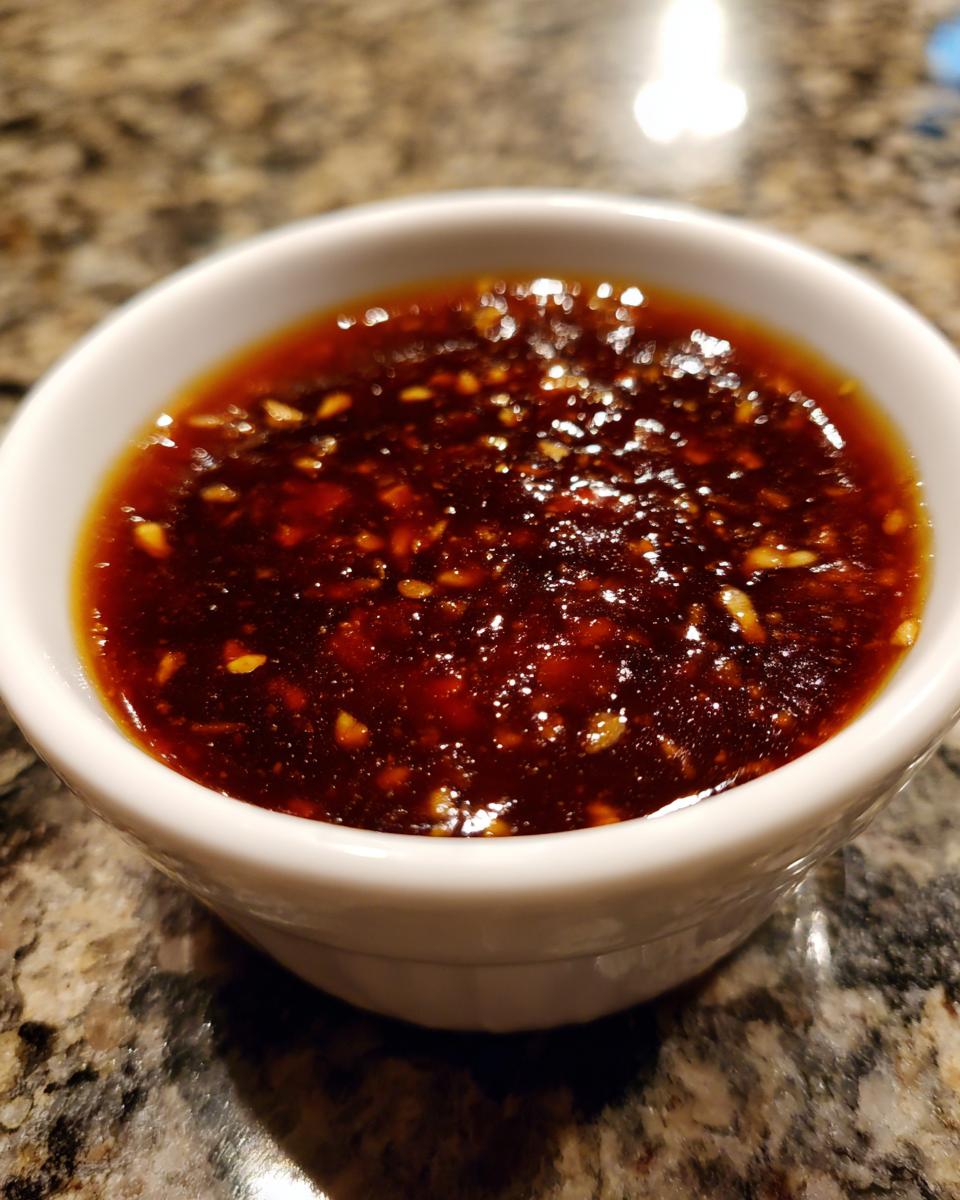
Ever notice how jarred sauces seem to coat your chicken unevenly, or just run right off? Not ours! I use a gentle slurry right near the end to transform the liquid into a luscious **thick teriyaki sauce**. This little cornstarch trick creates that gorgeous, reflective shine—it gives you that gorgeous **glossy sauce recipe** finish that looks so professional. It clings beautifully when used as a glaze on salmon or grilled skewers!
The Simple Pantry Ingredient Sauce for Your Teriyaki Sauce
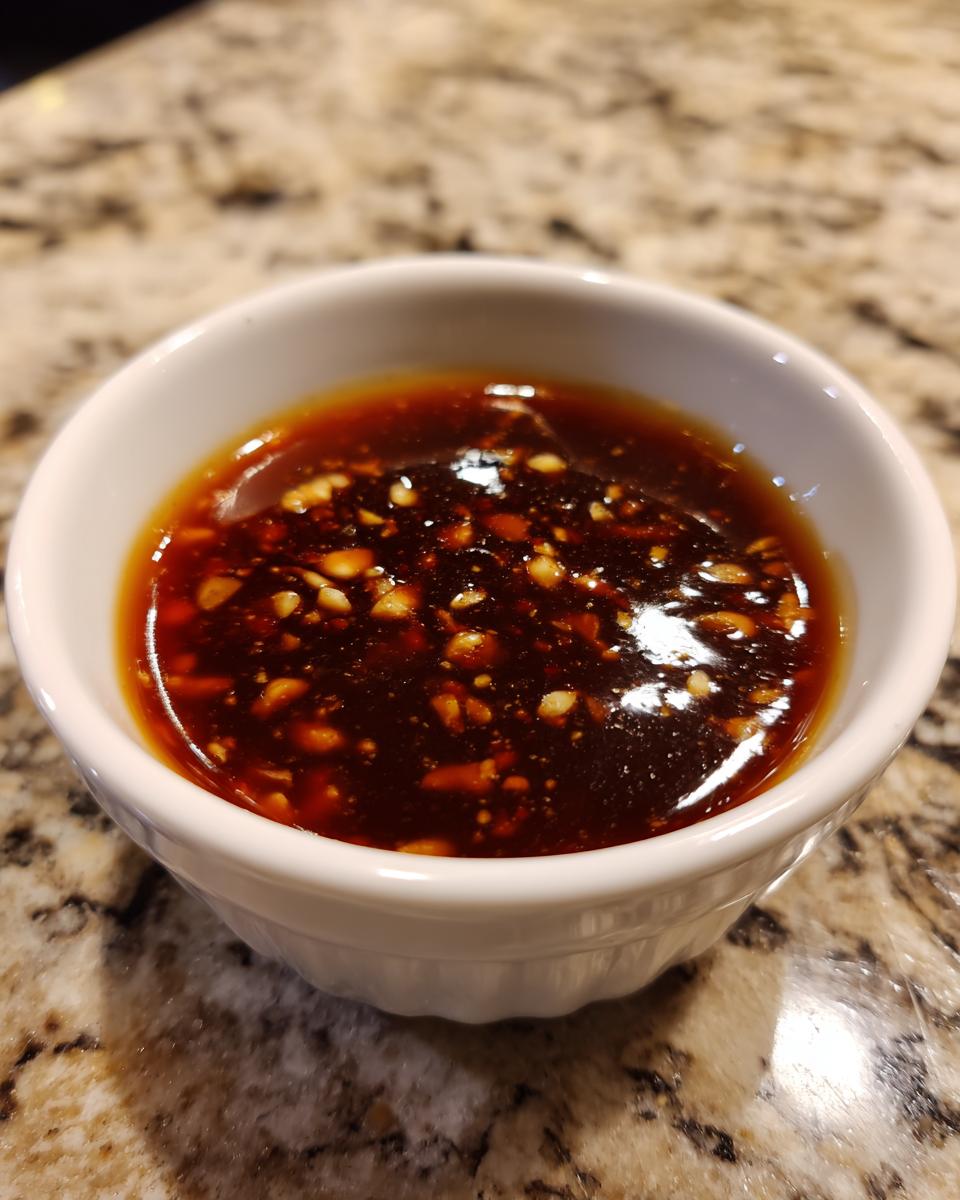
This is where the magic of making your own **teriyaki sauce** really shines. We’re skipping the weird stabilizers and mysterious thickeners found in bottles. This genuinely is a **simple pantry ingredient sauce**. Every item here gives you maximum flavor payoff with minimal fuss. Seriously, if you have soy sauce and sugar, you’re halfway there!
Here is exactly what you need to gather up. Remember, precision matters when you’re building that flavor foundation, but don’t stress—it’s all easily measured!
- 1/2 cup low sodium soy sauce
- 1/2 cup water
- 1/4 cup packed brown sugar
- 2 tablespoons rice vinegar
- 1 tablespoon fresh grated ginger
- 2 cloves garlic, minced
- 1 teaspoon toasted sesame oil
- 1 tablespoon cornstarch mixed with 2 tablespoons cold water (this is your slurry!)
Ingredient Notes and Substitutions
A few little notes here from my kitchen tests to make sure your sauce is perfect. First, I always push for low-sodium soy sauce. Since the final product reduces down, the salt really concentrates. Using low-sodium gives us control so the finished **teriyaki sauce** is perfectly balanced, not overwhelmingly salty.
Second, the aromatics! Fresh ginger and fresh garlic are non-negotiable for that bright, pungent flavor that makes this taste so much better than the stuff in the jar. If you are absolutely out of fresh ginger, you can sneak in about 1/4 teaspoon of ground ginger, but wow, the fresh stuff is worth the effort.
Finally, the thickening step. That cornstarch slurry mixes cold water with the starch so you don’t get clumps. Always mix the slurry separately *before* you start cooking. If you dump the cornstarch directly into the hot liquid, you’ll end up with little white pebbles floating in your otherwise beautiful glaze!
How to Prepare Your Easy Teriyaki Recipe
Okay, let’s get this **teriyaki sauce** on the stove, because frankly, waiting for it seems impossible once you smell the ingredients simmering! This method is designed for speed but needs just a little attention from you—no walking away for coffee breaks until it thickens!
First, combine everything except that cornstarch slurry in a small saucepan. We’re talking the soy sauce, water, brown sugar, vinegar, fresh ginger, garlic, and the sesame oil. Set the burner to medium heat. The key here is constant stirring until that beautiful brown sugar is totally dissolved. You can’t rush this beginning stage, or you risk the sugar sticking and burning on the bottom, and trust me, burnt sugar in your sauce is a flavor nightmare!
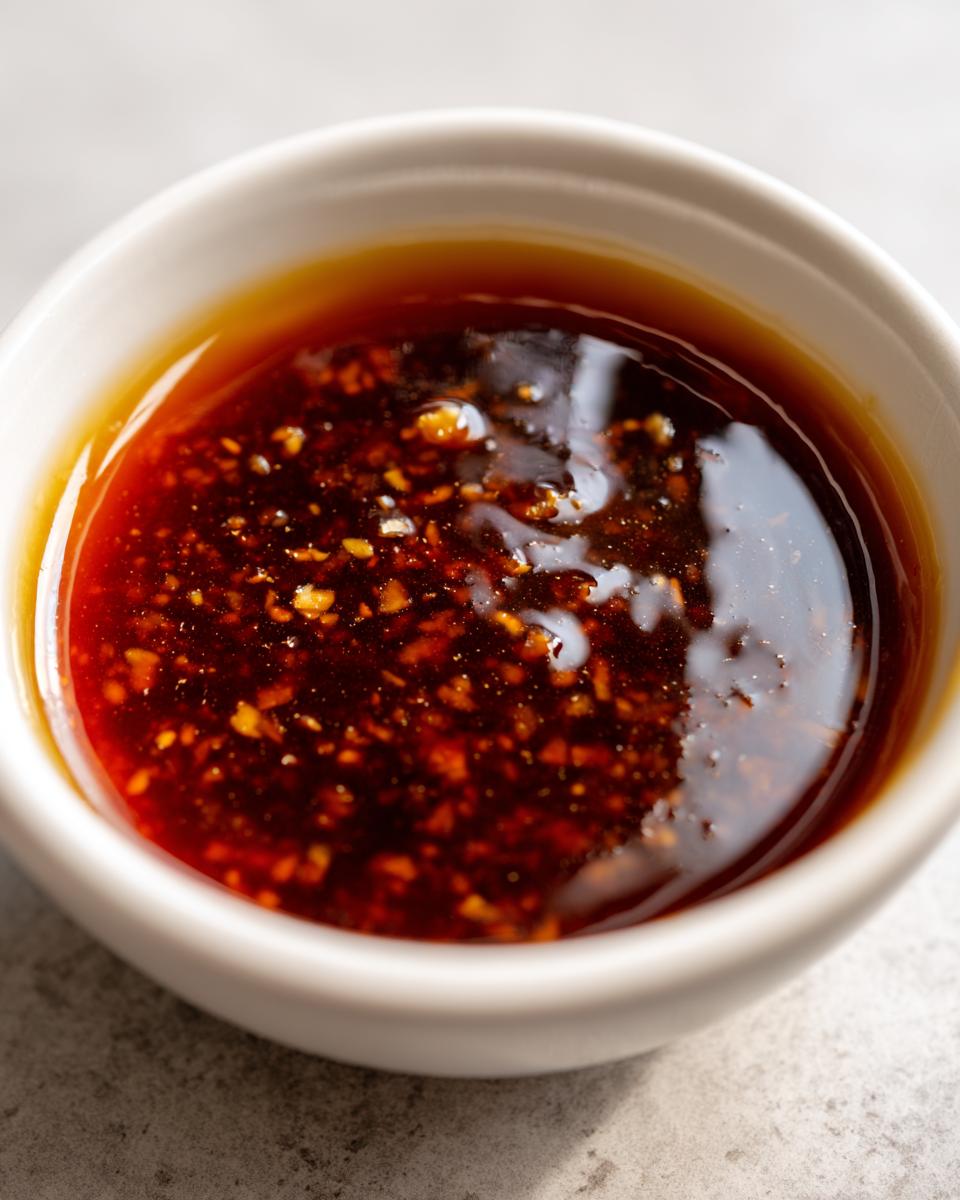
Once it’s simmering—and I mean a real, gentle bubble—it’s time for the thickening trick. Slowly, slowly whisk in your cornstarch slurry. I mean a slow drizzle while you keep whisking the main liquid. This prevents clumps and helps distribute the starch evenly. Keep whisking constantly for about a minute until you see the transformation happening—it should immediately start coating the back of your spoon! Let it bubble gently for that full minute to cook out any starchy flavor. Then, pull it right off the heat. It will seem a tiny bit thin when hot, but as it cools down a few degrees, you’ll have the most amazing, rich glaze.
Tips for Success When Making Thick Teriyaki Sauce
If you watch the sauce bubbling and think, “Ava, I want this even thicker for my chicken and green beans skillet,” you can absolutely adjust that slurry! Just go back in gently with another 1/2 teaspoon of cornstarch mixed with a tiny splash of cold water. Add it slowly while whisking over low heat until you hit that perfect consistency.
Remember, this isn’t just for immediate glazing. This makes a killer **teriyaki marinade**! If you’re using it on salmon or chicken that’s going on the grill, let it soak for at least 30 minutes before cooking. My personal favorite part? Right before I pull it off the heat, I always taste it. Does it need just a whisper more tanginess? Maybe splash in a few drops more rice vinegar. That final, small adjustment guarantees you have the very **best teriyaki sauce recipe** tailored perfectly to your tastes!
Versatile Teriyaki Marinade Ideas and Uses
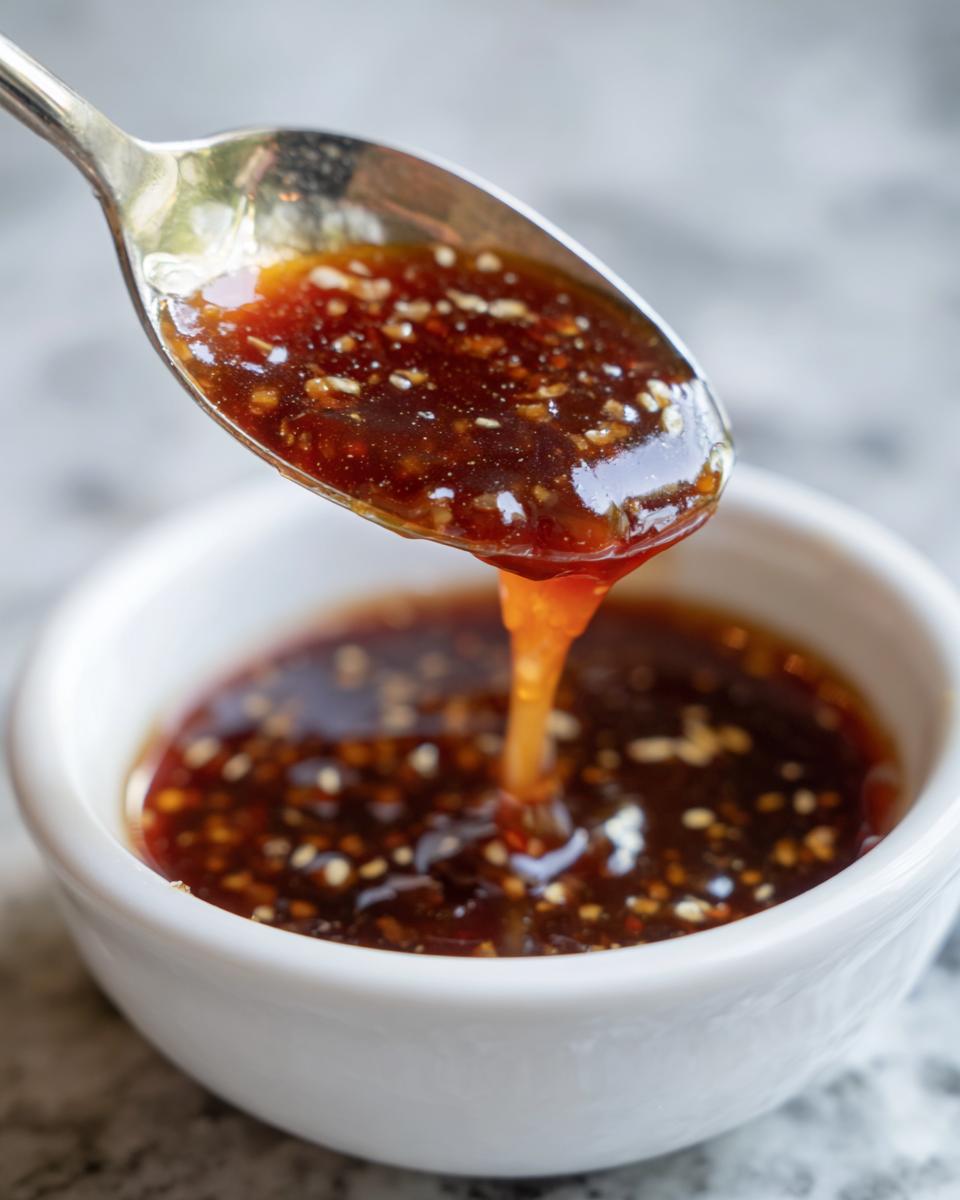
I really want you to see this **homemade teriyaki sauce** as your new kitchen MVP, not just a one-trick pony for one specific dinner. Seriously, the possibilities for this **sweet and savory sauce** are endless once you stop thinking of it just as a thick glaze! Because it comes together so fast, it easily fits into my rotation for planning crispy baked chicken wings recipe night or when I’m making fish.
If you’re looking for **teriyaki marinade ideas**, you’ve landed in the right place, my friend. The acid from the rice vinegar and the salty soy sauce work wonders to tenderize proteins right there in the fridge. You don’t need hours for this, either. Since this is such a concentrated, flavorful **teriyaki sauce**, even 30 minutes makes a huge difference!
For instance, when I’m making my favorite baked salmon, I use half the batch as a quick soak—just enough time for the fish to absorb that umami punch before it hits the oven. That makes for a delicate yet deeply flavored **salmon teriyaki glaze** that flakes apart beautifully.
But don’t let meat get all the attention! This is a fantastic **teriyaki marinade** for tofu or firm vegetables like carrots and broccoli stems if you’re planning a stir-fry dinner. Toss cubed tofu in some of the sauce and let it sit while you chop your veggies. The sauce will soak in nicely and slightly caramelize when you sear it. It’s just such a great foundation for any simple teriyaki sauce application. This is what makes it a lifesaver for quick dinners when you need bold flavor fast!
Make Ahead Stir Fry Sauce and Storage Instructions
One of the biggest reasons I love having this recipe in my arsenal is that it is truly a fantastic **make ahead stir fry sauce**. Life gets busy, right? Sometimes you plan to cook, and then you end up needing takeout because you didn’t prep ahead. But not anymore!
Since this amazing **teriyaki sauce** is so easy to mix up, I often double the batch. I’ll make it on a quiet Sunday afternoon, and then I have quality sauce ready to go for three or four different quick meals throughout the week. It totally changes the game when you need a reliable **weeknight dinner sauce** without having to stop and measure everything after work.
Storing it is super simple. Just pour your cooled sauce into a clean, airtight container. A mason jar works perfectly for this. You can keep this **homemade teriyaki sauce** safely in the refrigerator for up to two full weeks. Honestly, it usually disappears before then because we use it on everything, but it keeps beautifully!
Now, here’s the important part about reheating: sometimes when the cornstarch cools down completely, it decides to get a little stiff or slightly separate in the jar. Don’t panic! That’s normal for a **thick teriyaki sauce**. When you’re ready to use it, just scoop out what you need and warm it gently on the stovetop over very low heat. Keep a little splash of water or rice vinegar nearby. As you warm it, whisk it constantly. That gentle heat and a little whisking wakes the cornstarch right back up, and boom—it goes right back to that beautiful, **glossy sauce recipe** consistency we worked so hard to achieve!
Serving Suggestions for Your Homemade Teriyaki Sauce
Now that you have this amazing, complex, **sweet and savory sauce** ready to go, the real fun begins: deciding what to drown in it! Because this **teriyaki sauce** has such a deep flavor profile—thanks to that real ginger and brown sugar—it stands up beautifully to heartier proteins, but it’s gentle enough for light veggies too.
My first and absolute favorite suggestion is using it as a glaze over baked or pan-seared salmon. A little drizzle in the last five minutes of cooking gives you that perfect sticky coating. Seriously, it makes everyone think you spent hours fussing over dinner when you really just blended a few things in a saucepan!
If you’re looking for a classic weeknight meal upgrade, try it this way: cook up some plain chicken breast or thighs, let them simmer for just two minutes in a pan of this sauce until they are thoroughly coated and slightly sticky. Serve that right over a mountain of fluffy rice. I know the perfect way to make that side dish extra special; you can check out my recipe for easy homemade fluffy rice pilaf!
For easy vegetable pairings, I adore tossing steamed broccoli or green beans with just a tablespoon of this sauce right before serving. That little coating adds so much more excitement than just butter. It transforms simple steamed greens into something worthy of a takeout menu!
If you’re looking for quick inspiration after making a batch of this incredible flavor booster, just peek at what others are doing with their quick sauces over at Kitchen Rage. It might give you the push you need to try something totally new tonight!
Frequently Asked Questions About Making Teriyaki Sauce
I know when you’re trying a new **homemade teriyaki sauce** recipe, you always have a few little tweaks you want to make based on what you have on hand or what your dietary needs are. That’s the beauty of making things **from scratch sauce**! You get to customize. Here are some of the questions I get asked most often about this recipe.
Can I make this teriyaki sauce recipe vegan?
Absolutely, yes! This recipe is inherently vegetarian because we aren’t using any fish products, but if you are fully vegan, you’re all set. The ingredients listed—soy sauce, sugar, vinegar, aromatics, and cornstarch—are all plant-based. Now, if you wanted to change the sweetener, brown sugar is fine for most vegans, but if you prefer to substitute it with maple syrup or agave, you can! Just note that maple syrup is thinner than packed brown sugar, so you might need to add just a touch more of that cornstarch slurry at the end to ensure you still get that lovely, **thick teriyaki sauce** texture we love.
How do I get it thick without cornstarch?
That’s a really common query, especially if someone has a sensitivity or just plain ran out! The cornstarch is really the easiest way to get that quick, **glossy sauce recipe** finish. If you can’t use cornstarch, your best bet for thickening this **teriyaki sauce** is reducing it much longer. You’ll need to let it simmer uncovered for a good 15 to 20 minutes longer after the sugar has dissolved. You want the water content to evaporate until it naturally reduces by about half. It won’t get quite the same immediate glassy polish as the cornstarch version, but it will certainly taste rich and savory!
Is this considered a soy-free sauce?
Nope, sorry! Traditional **teriyaki sauce** relies heavily on the umami and saltiness that soy sauce provides. If you need soy-free, you’ll need an entirely different recipe base, usually relying on coconut aminos instead of soy sauce. If you swap to coconut aminos, you might need a tiny bit more sugar since aminos are generally less salty than low-sodium soy sauce. It makes a great substitution, but it changes the flavor profile a bit.
What is the best way to use this as a teriyaki marinade?
If you’re planning on using this as a **teriyaki marinade**—and I highly encourage it for tonight’s dinner!—you have a little flexibility depending on how much time you have. For a quick flavor boost, especially on thinner cuts of meat like chicken breast or thin slices of beef, 30 minutes in the fridge does wonders. That’s perfect for those crazy evenings when you need a weeknight dinner in a hurry.
However, if you’re dealing with something thicker, like big chicken thighs or a whole slab of salmon, I recommend letting it sit for at least 2 hours, and definitely no more than 4 hours in the fridge. Why not overnight? Because our **teriyaki sauce** contains real sugar and vinegar, leaving proteins submerged for too long can actually start to break down the muscle fibers too much, giving you a slightly mushy texture rather than firm, flavorful meat. So, aim for the sweet spot: 30 minutes to 4 hours ensures you get that bold, **sweet and savory sauce** flavor throughout!
Understanding the Nutrition of This From Scratch Sauce
I always feel a little weird talking nutrition stats on something so incredibly delicious, but seeing what’s actually in this **from scratch sauce** helps me feel much better about using it frequently. Since we control every single ingredient—skipping all those additives and weird syrups—you have a much clearer picture of what you’re eating compared to grabbing something off the shelf.
When I calculated this out based on the recipe yield (which is about 1 cup total, yielding about 8 servings of 2 tablespoons each), here are the averages I calculated. This is just ballpark, of course; if you use a different brand of low-sodium soy sauce or different measurement for your brown sugar, it shifts a bit. But this gives you a fantastic reference point!
- Serving Size: 2 tablespoons
- Calories: 55
- Sugar: 8g
- Sodium: 450mg (See note below!)
- Fat: 0g
- Carbohydrates: 13g
- Protein: 1g
If you see that 450mg of sodium and gasp, I totally get it! Soy sauce is salty, no two ways about it. That’s why I stress using low-sodium soy sauce right up front. If you go full-strength soy sauce, the sodium jumps way up, which is another reason making this at home lets you manage those levels better than most commercial brands where they load it up.
The sugar, around 8 grams for two tablespoons, is mostly coming from that brown sugar, which brings the richness and helps with that beautiful caramelization when you glaze something. Knowing exactly where that sweetness comes from—good old brown sugar—is far more comforting than the mysterious corn syrup swirls in the bottled stuff. It’s a fair trade-off for such dynamic flavor, if you ask me!
Share Your Best Teriyaki Sauce Creations
And just like that, you’ve got it! You are officially done making mediocre, bottled sauces. You have created superior, **homemade teriyaki sauce** from scratch, and I am so excited for you to taste the difference this simple 15-minute process makes.
My deepest joy here at Misty Plate is knowing that you’ve paused that chaotic, busy day long enough to create something truly nourishing and delicious. Now comes the fun part—let’s talk about it! I absolutely live to hear how this turned out for your family. Did you try it on chicken, or was it your new go-to **salmon teriyaki glaze**?
Please, please, please, leave a comment right down below. I read every single one, and knowing what worked in your kitchen helps me become a better cook, too! If you rate this recipe, I’ll do a little happy dance right here in my own kitchen. Letting me know that this truly is the **best teriyaki sauce recipe** you’ve tried means the world to me.
If you’re snapping pictures of your beautifully glazed dish—maybe you used it in a stir-fry or as a dipping sauce—please tag me on social media! Seeing my simple recipes transform into your incredible meals is why I started this whole journey in the first place. It’s about connection, right?
For those of you already planning your next batch or needing quick help troubleshooting, don’t hesitate to reach out through my contact page. And if you’re looking for more quick, flavorful inspiration like this **easy teriyaki recipe**, go check out the gems over at Life of Recipes for even more great ideas to shake up your routine!
PrintEasy Homemade Teriyaki Sauce: Better Than Store-Bought
Make this quick homemade teriyaki sauce from scratch. It creates a thick, glossy, sweet and savory sauce perfect for glazing chicken, salmon, or vegetables. This recipe uses simple pantry ingredients and is ready in minutes.
- Prep Time: 5 min
- Cook Time: 10 min
- Total Time: 15 min
- Yield: About 1 cup 1x
- Category: Sauce
- Method: Stovetop Cooking
- Cuisine: Asian
- Diet: Vegetarian
Ingredients
- 1/2 cup low sodium soy sauce
- 1/2 cup water
- 1/4 cup packed brown sugar
- 2 tablespoons rice vinegar
- 1 tablespoon fresh grated ginger
- 2 cloves garlic, minced
- 1 teaspoon toasted sesame oil
- 1 tablespoon cornstarch mixed with 2 tablespoons cold water (slurry)
Instructions
- Combine the soy sauce, water, brown sugar, rice vinegar, grated ginger, minced garlic, and sesame oil in a small saucepan.
- Place the saucepan over medium heat. Stir the mixture constantly until the brown sugar dissolves completely and the sauce begins to simmer.
- Once simmering, slowly whisk in the cornstarch slurry. Continue to whisk as the sauce thickens.
- Allow the sauce to boil gently for one minute, stirring constantly, until it becomes thick and glossy.
- Remove the sauce from the heat. Let it cool slightly; it will thicken more as it cools.
- Use this teriyaki sauce immediately as a glaze or marinade, or store it for later use as a weeknight dinner sauce.
Notes
- For a thicker teriyaki glaze, increase the cornstarch slightly, adding 1/2 teaspoon more slurry.
- This sauce works well as a teriyaki marinade for chicken or salmon before grilling or baking.
- Store leftover homemade teriyaki sauce in an airtight container in the refrigerator for up to two weeks.
Nutrition
- Serving Size: 2 tablespoons
- Calories: 55
- Sugar: 8
- Sodium: 450
- Fat: 0
- Saturated Fat: 0
- Unsaturated Fat: 0
- Trans Fat: 0
- Carbohydrates: 13
- Fiber: 0
- Protein: 1
- Cholesterol: 0