

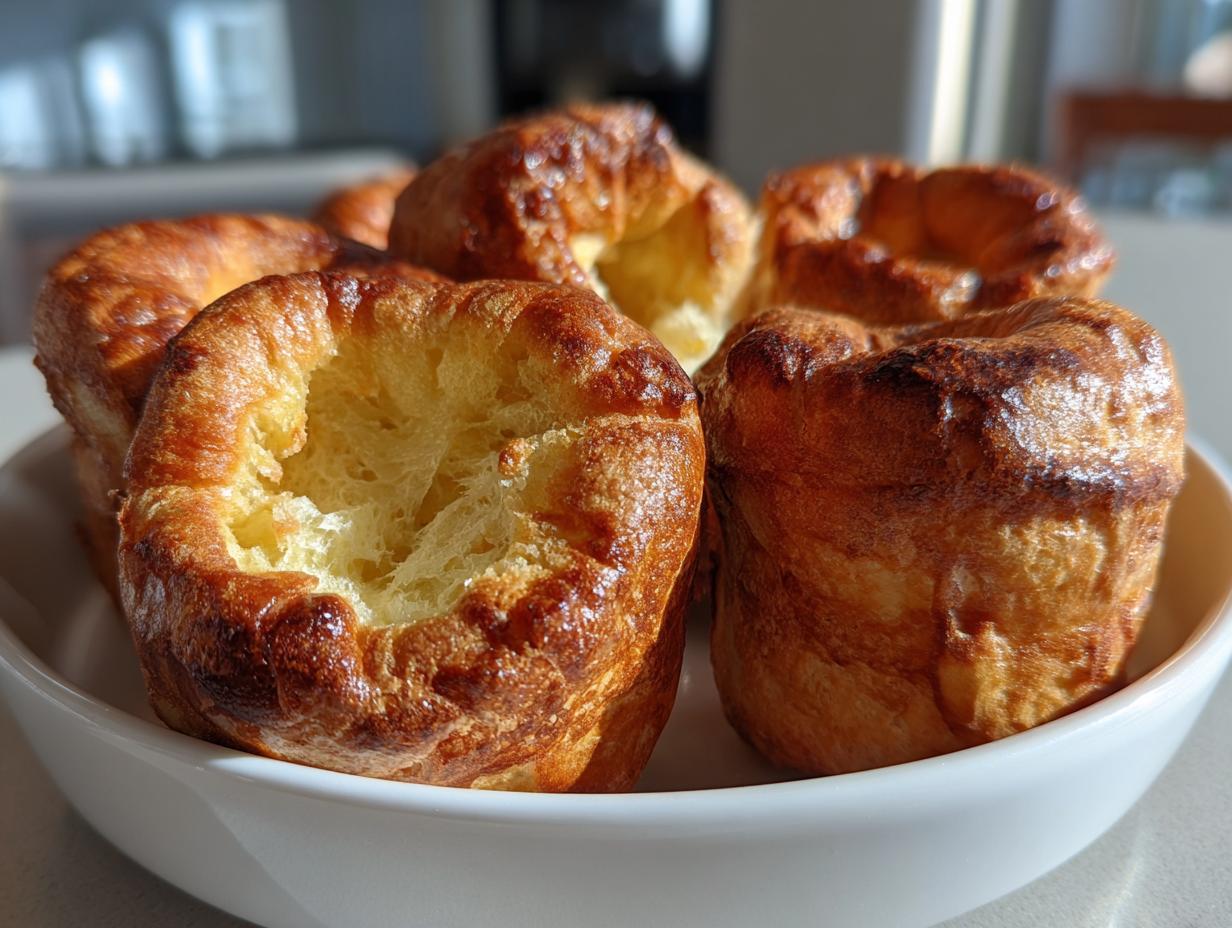
Oh, the heartbreak of a flat Yorkshire pudding! We’ve all been there, right? You go through all the trouble, you wait eagerly, and instead of those glorious, towering, golden puffs you see in pictures, you get sad, slightly greasy little discs. It’s enough to ruin a Sunday roast! But trust me, that’s not how it has to be. My goal here at Misty Plate is to take those intimidating, traditional recipes and make them totally accessible. This simple recipe for **yorkshire pudding** cuts through the noise. It’s truly foolproof, designed for the home cook who just wants that signature tall, crispy outside and unbelievably fluffy inside. It’s comfort food made achievable!
- Why This is the Best Yorkshire Pudding Recipe You Will Ever Make
- Ingredients for Foolproof Yorkshire Puddings
- How to Make Yorkshire Puddings: Step-by-Step Instructions
- Serving Suggestions for Your Yorkshire Pudding
- Storage and Reheating Instructions for Yorkshire Pudding
- Variations on the Classic Yorkshire Pudding
- Addressing Popular Queries: Yorkshire Pudding FAQ
- Nutritional Estimates for This Homemade British Comfort Food
- Share Your Perfect Yorkshire Pudding Creations
Why This is the Best Yorkshire Pudding Recipe You Will Ever Make
You deserve the **Best Yorkshire Pudding** in your life, and I’m here to deliver it. Forget all those recipes where they say you need to use special flour or complicated techniques. My method relies on absolute fundamentals, and that’s why these are truly **Foolproof Yorkshire Puddings**. We focus on two non-negotiable things: temperature and patience. Seriously, if your fat isn’t smoking hot, you won’t get that wonderful puff. That incredible contrast—that shatteringly crispy exterior giving way to that cloud-like center—it all comes down to respecting those simple science facts. It’s what makes this **Traditional British Side Dish** so wonderful.
If you want to learn more about our philosophy here at Misty Plate, you can certainly check out our story. But right now, let’s get your oven roaring!
Achieving Maximum Rise: Yorkshire Pudding Tips and Tricks
Getting those babies to climb high is all about those little details. First, your batter consistency needs to match thin cream; if it’s too thick, it’s too heavy to rise. Second, you absolutely must rest the batter. Even 30 minutes makes a difference in relaxing that gluten so the final product is light.
But here’s the golden rule, the real kicker in all my **Yorkshire Pudding Tips and Tricks**: That fat in your tin has to be scorching hot—we mean smoking! When that cool batter hits that aggressively hot fat, that immediate steam creation is the engine that pushes your pudding skyward. Don’t skip the preheat on that tray!
Ingredients for Foolproof Yorkshire Puddings
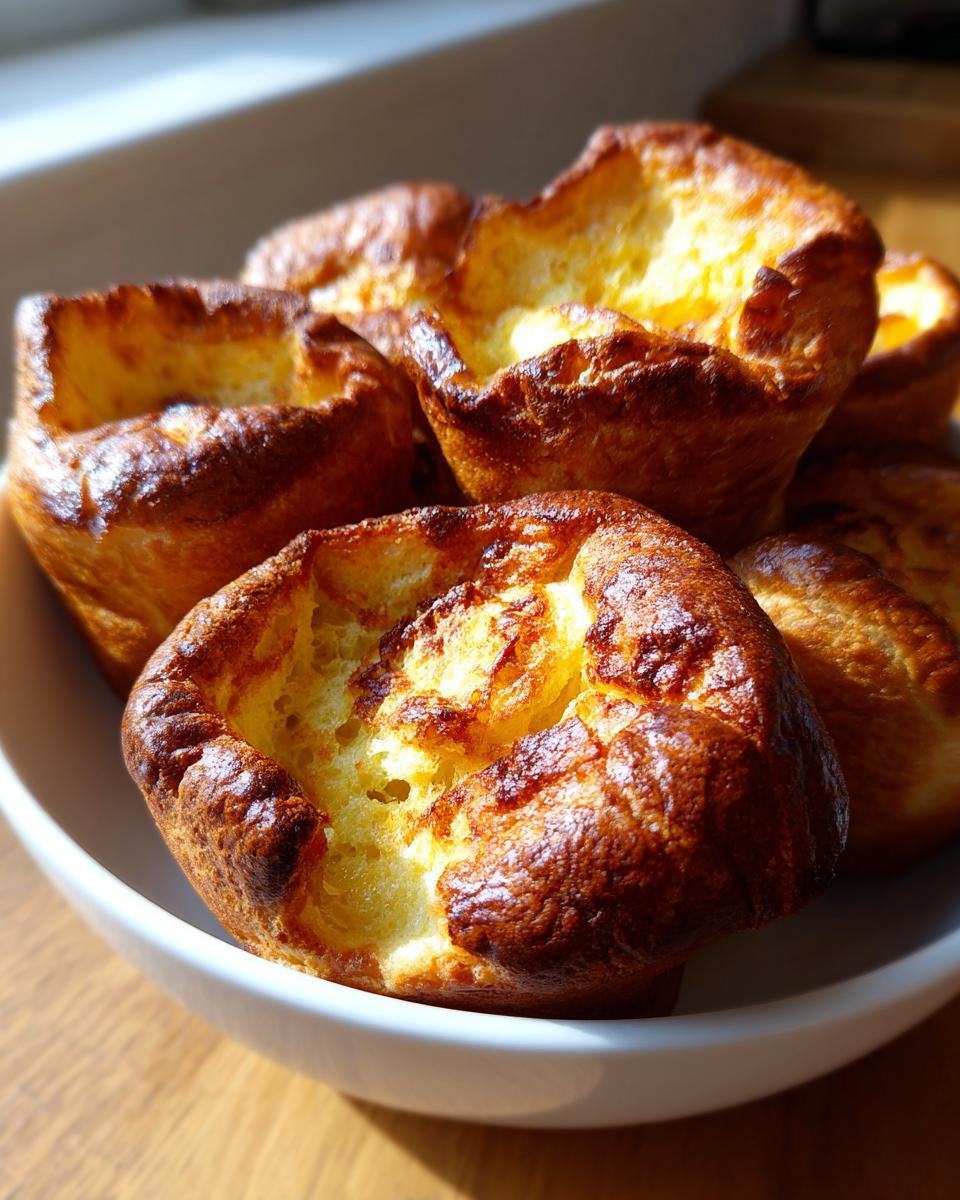
You’re going to laugh at how simple the ingredients list is for this phenomenal **Easy Yorkshire Pudding Batter**. This is where the cost-effectiveness really shines through; we aren’t calling for anything fancy! You probably have everything tucked away in your pantry right now. Remember, simple ingredients handled with care make amazing food. We just need flour, milk, eggs, salt, and fat. That’s it! These basic building blocks create the foundation for the most beautiful **Homemade British Comfort Food** you’ve ever served.
Ingredient Notes and Substitutions
Let’s talk specifics, because they do matter here. I always insist on using whole milk—skimmed just doesn’t give the batter the richness or the body we need for that massive puff. For the fat, if you’re making a proper roast dinner, use beef dripping; that flavor is unbeatable! If you’re making vegetarian ones, a high smoke point oil like sunflower or vegetable oil works just fine.
Now, for my friends who need to avoid gluten: yes, you can absolutely try a good quality 1:1 **Gluten Free Yorkshire Pudding** blend in place of the plain flour. Just know that because the structure is a little different, you might need to rest that batter for an extra 15 minutes to help it along!
How to Make Yorkshire Puddings: Step-by-Step Instructions
Okay, here is where the magic happens. We’ve got the perfect batter, it’s rested, and now we need to respect the process if we want those incredible results. Making **yorkshire pudding** isn’t hard, but it is time-sensitive once we start working with heat. Follow me like I’m standing right next to you in the kitchen, because timing is everything here!
Preparing the Batter for Crispy Yorkshire Puddings
Remember when we mixed that **Easy Yorkshire Pudding Batter**? Now is when we really let it shine. Once everything is just combined—smooth but not overworked—you need to let it chill out. I know we’re anxious, but resting the batter for a minimum of 30 minutes is essential. This lets the flour absorb all that liquid nicely. If you can manage it, letting it rest for an hour or even longer in the fridge gives you the **Crispy Yorkshire Puddings** you dreamed of. Less gluten tearing means lighter, airier results when baking.
The Crucial Step: Heating the Fat for Puffy Popovers
This is the part where you cannot be shy! If you are using a muffin tin, put it right into the 425°F oven while you make the batter. We need that fat—be it beef dripping or oil—to get aggressively hot. When you pull that tin out, the fat needs to be shimmering, almost smoking. Don’t wait! Pour your relaxed batter into the scorching fat immediately. That shock of heat is what guarantees your final product will be truly **Puffy Popovers**. If you hear a fierce sizzle, you’ve done it right!
Baking Your Golden Brown Puddings
Back into the oven they go! Slide that hot tin back onto the middle rack. Now, I know you’ll be tempted—Lord knows I have been!—but do not, under any circumstances, open that oven door for the first 20 minutes. If you peek, the temperature drops, and your beautiful rising puddings will collapse into sad puddles. After 20 minutes, check them. They should be deeply risen and brilliantly **Golden Brown Puddings**. Give them maybe five or ten more minutes if they look pale, but they should be ready to serve piping hot straight from the oven.
Serving Suggestions for Your Yorkshire Pudding
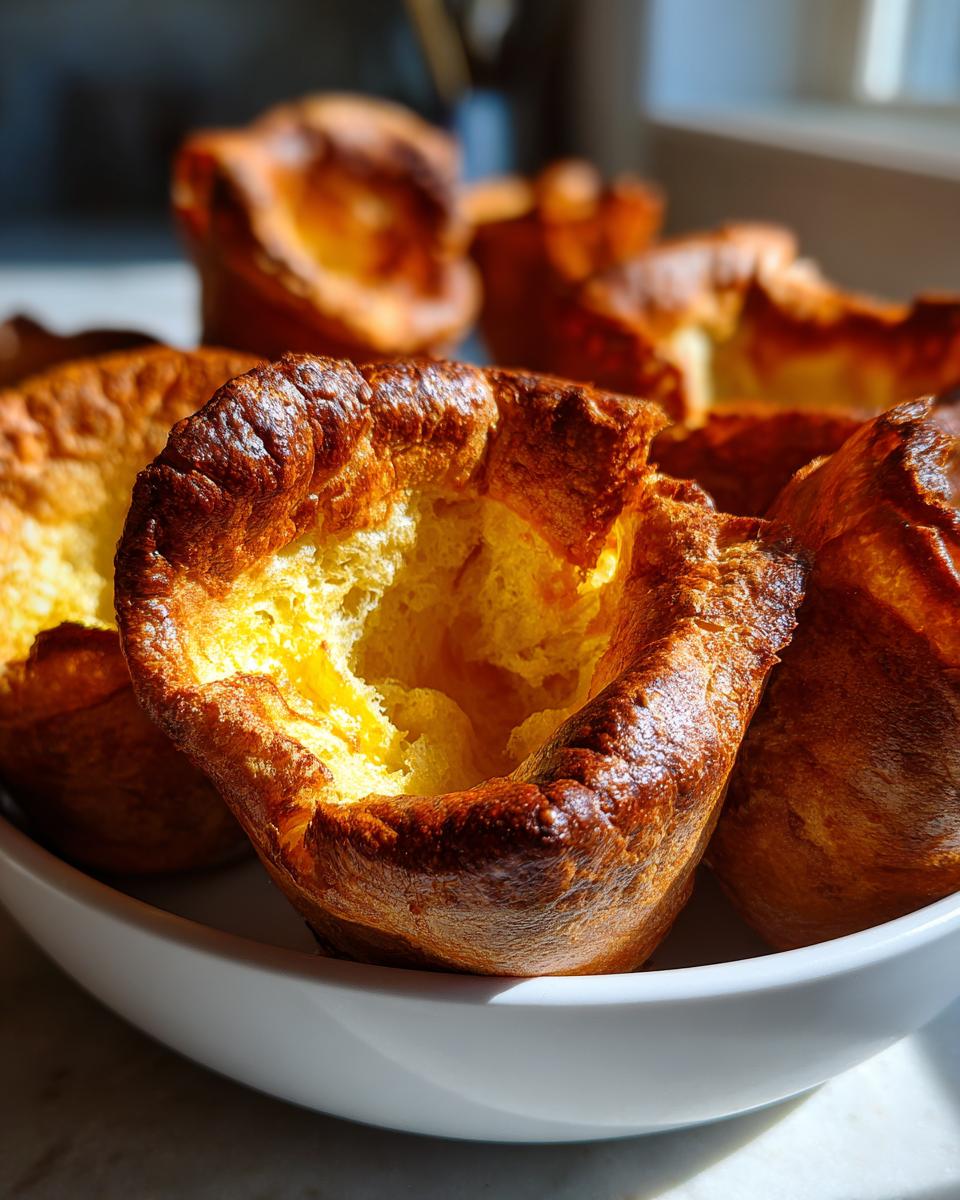
Now that you have achieved perfection—puffy, high, and delicious—it’s time to serve these beauties! A fantastic **yorkshire pudding** isn’t just a side dish; it’s the star of the show when it comes to a classic **Sunday Roast Recipes**. Traditionally, these are the quintessential **Traditional British Side Dish** served alongside tender roast beef. You simply must have a fantastic, rich gravy ready to go. My philosophy is that the pudding is just a vehicle for that gravy!
Don’t reserve them just for Sunday, though. These absolutely shine as general **Roast Dinner Accompaniments** for chicken or lamb too. If you want to see some amazing ideas for what to pair them with, you might enjoy checking out this recipe for crispy sides I found recently. Just make sure whatever you’re serving, those puddings are served immediately, piping hot from the oven!
Storage and Reheating Instructions for Yorkshire Pudding
We all know the real struggle: how do you save these magnificent creations for later? Honestly, nothing beats them fresh, right out of the oven, but leftovers happen! If you have any survivors, the very best thing you can do is cool them completely and store them in an airtight container on the counter overnight. Seriously, resist the urge to use the microwave—it turns them instantly chewy and sad.
When you’re ready for round two, though, the oven is your friend! Pop them back onto a baking sheet and heat them in a hot oven, maybe 400°F or so, for about 5 to 7 minutes. They come out crisp again, ready for a second helping of gravy. It’s the perfect way to enjoy this **quick side dish for beef** the next day without any fuss!
Variations on the Classic Yorkshire Pudding
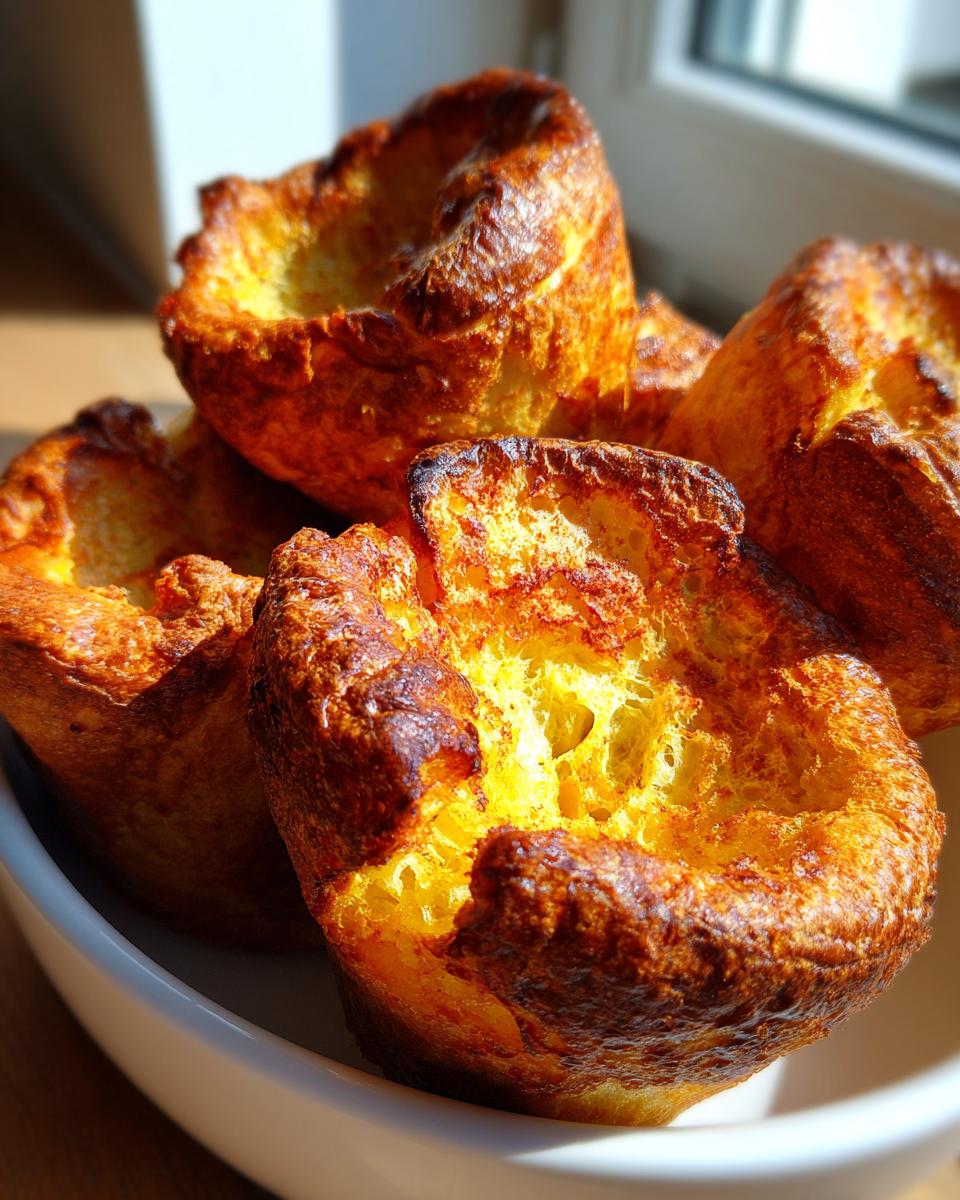
While this recipe is for the classic individual **yorkshire pudding**, you can absolutely play around once you’ve mastered the basics! You can easily make one huge pudding in a roasting pan; just make sure you fill the bottom deeply enough so the batter has room to climb. You’ll need to bake that large one a bit longer, though, so keep an eye on it.
For savory twists, try adding a tiny pinch of dried rosemary or thyme into the batter when you mix the flour—it smells heavenly when baking! Now, sweet versions exist, usually called popovers in the US, but honestly, I think these lovely puddings belong firmly on the savory side of the table, covered in gravy. If you’re curious about how to adapt things for different needs, perhaps you’ll find some inspiration over at this site concerning gluten-free options!
Addressing Popular Queries: Yorkshire Pudding FAQ
It’s totally natural to have questions when you’re trying to master something as iconic as a **yorkshire pudding**! I get asked about ingredients and techniques all the time. Think of this as our little troubleshoot session right here on Misty Plate. If you have a question, chances are someone else does too! If you’re ever stuck or want to reach out directly, feel free to jump over to our contact page, but hopefully, these answers cover everything you need for success.
Can I use a different fat besides beef dripping for my yorkshire pudding?
Absolutely! While I’ll always champion beef dripping because that rich flavor is what makes it the ultimate **quick side dish for beef**, you have other great options. Lard works beautifully if you have it! If you’re sticking to vegetarian cooking, just make sure you use an oil that has a really high smoke point, like vegetable or sunflower oil. The main thing is that the fat needs to be ripping hot when the batter goes in, so pick whatever fat works best for your needs, just make sure it can handle that heat!
Is the Gordon Ramsay Yorkshire Pudding method significantly different?
That’s a fun question! When you look at what the big names do, whether it’s Gordon Ramsay or any other top chef, the core principles are actually identical to what we’re doing here. They are obsessed with that smoking hot fat—that’s the most important bit. They also often preach about using cold batter right before it hits the hot fat. We let ours rest at room temperature, which is fine, but the universal truth across all great methods is that extreme heat shock is non-negotiable for achieving that incredible puff. You can check out his version if you’re curious, but trust me, the results overlap!
What temperature should the milk be when making yorkshire pudding batter?
This is where I tell people to relax a little! While it seems like every detail matters—and it does—the temperature of the milk is honestly the least crucial element here. You can use milk straight from the fridge, or slightly warmed. What really matters, what needs your 100% commitment, is the temperature of the fat in the tin. That needs to be almost sizzling! Don’t stress too much over lukewarm milk; focus all your energy on getting that oil screaming hot before you pour in the batter.
Nutritional Estimates for This Homemade British Comfort Food
I always like to give you a rough idea of what’s in these beautiful puddings, but please remember these figures are just estimates! Since we are using beef dripping or oil, the fat content can definitely shift depending on how much you add to the tin for that perfect rise. These numbers are based on the standard recipe yield, so they are designed to be a starting point for your tracking.
- Serving Size: 1 pudding (Yields 12)
- Calories: About 120
- Fat: Around 6g
- Carbohydrates: About 13g
- Protein: About 5g
This is proof that our **Homemade British Comfort Food** is simple and uses accessible ingredients! The numbers look great for a **Traditional British Side Dish** paired with your roast.
Share Your Perfect Yorkshire Pudding Creations
Now that you’ve mastered the art of the tall, dramatic rise, I really want to see what you’ve made! Here on Misty Plate, we believe sharing food is the best connection we have. Go ahead and leave your rating—did you hit that perfect five-star mark? If you took a snap of your beautiful, golden creations ready for the gravy bath, please share it over on Instagram and tag me! It just warms my heart to know my recipes are connecting families around wonderful, simple meals just like mine used to.

If you have any concerns about how we handle your data or emails when you sign up for updates, you can check out our privacy policy!
PrintThe Perfect Foolproof Yorkshire Pudding: Crispy Outside, Fluffy Inside

Make light, airy, and perfectly crisp Yorkshire puddings every time. This classic British side dish uses simple ingredients and is ideal for your Sunday roast or holiday dinner.
- Prep Time: 10 min
- Cook Time: 25 min
- Total Time: 35 min
- Yield: 12 small puddings 1x
- Category: Side Dish
- Method: Baking
- Cuisine: British
- Diet: Vegetarian
Ingredients
- 1 cup all-purpose flour
- 1 cup whole milk
- 2 large eggs
- 1/2 teaspoon salt
- 4 tablespoons beef dripping or vegetable oil (for the tin)
Instructions
- Place a 12-cup muffin tin or a roasting tin into the oven. Add about 1 teaspoon of beef dripping or oil into each cup. Preheat the oven to 425°F (220°C). The fat must be smoking hot before you add the batter.
- While the fat heats, make the batter. Sift the flour and salt into a large bowl. Make a well in the center.
- Crack the eggs into the well. Begin whisking the eggs, gradually incorporating the flour from the sides.
- Slowly pour in the milk while continuously whisking until you have a smooth, thin batter, similar in consistency to thin cream. Do not overmix; a few small lumps are acceptable.
- Let the batter rest at room temperature for at least 30 minutes, or chill for several hours for best results.
- Carefully remove the hot tin from the oven. Work quickly. Pour the batter evenly into the hot fat, filling each cup about one-third full.
- Immediately return the tin to the hot oven. Do not open the oven door for the first 20 minutes of baking.
- Bake for 20 to 25 minutes, or until the puddings are well-risen, golden brown, and crisp. Serve immediately with gravy and roast beef.
Notes
- The secret to a great rise is ensuring your fat is smoking hot before you pour in the batter.
- Resting the batter, even for 30 minutes, allows the gluten to relax, resulting in a lighter texture.
- For individual Yorkshire puddings, use a standard 12-cup muffin tin. For larger puddings (often served with roast beef), use a roasting tin and fill the depressions halfway.
- This recipe uses basic ingredients, making it a very cost-effective side dish.
Nutrition
- Serving Size: 1 pudding
- Calories: 120
- Sugar: 1
- Sodium: 150
- Fat: 6
- Saturated Fat: 2
- Unsaturated Fat: 4
- Trans Fat: 0
- Carbohydrates: 13
- Fiber: 0
- Protein: 5
- Cholesterol: 55