

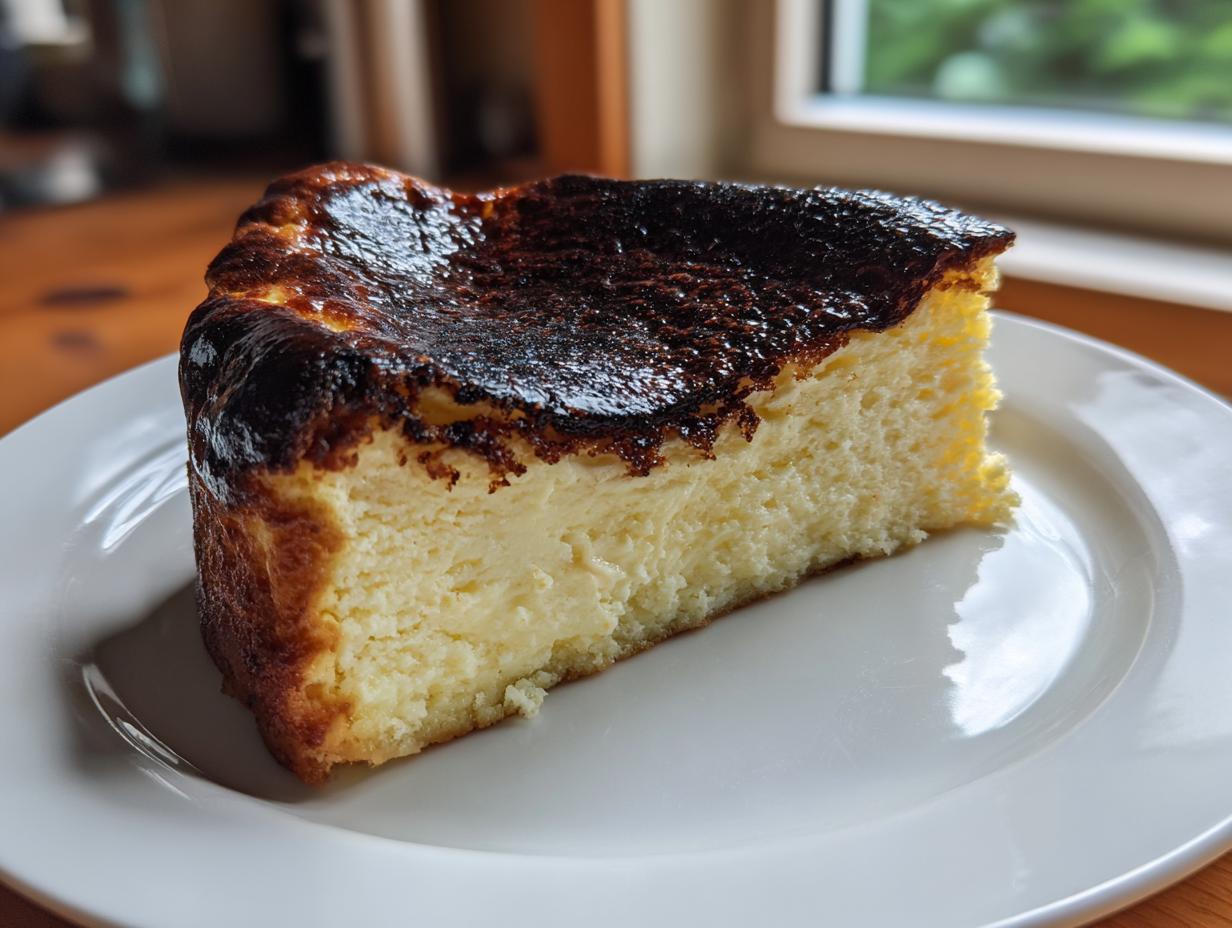
There’s something so satisfying about a dessert that looks like it came straight out of a top-tier bakery but really only took minimal effort on your part, right? That’s exactly what happens when you master the art of the **Basque cheesecake**. Forget fussy water baths or delicate crusts; this cake is all about gloriously rustic perfection. We’re chasing that signature deeply caramelized, almost burnt top and that unbelievably creamy, velvety center that melts in your mouth. Here at Misty Plate, I developed this recipe to be genuinely straightforward. We use simple ingredients—nothing complicated to source—because baking should be an accessible joy, not a source of stress. Trust me, this recipe delivers the best Basque cheesecake ever and it’s tested right here in my everyday home kitchen, making it perfect for your next impressive homemade dessert moment.
- Why This Is The Best Basque Cheesecake Ever
- Ingredients for Your Creamy Cheesecake No Crust
- How to Prepare Your Easy Basque Cheesecake Guide
- Tips for Success with Your Crustless Cheesecake Baking
- Variations: Trying a Loaf Pan Basque Cheesecake
- Serving Suggestions for Your Rustic Dessert Ideas
- Storage & Reheating Instructions for San Sebastian Cheesecake Recipe
- Frequently Asked Questions About Basque Cheesecake
- Nutritional Estimates for Your Impressive Homemade Desserts
- Share Your Experience Baking This Basque Cheesecake
Why This Is The Best Basque Cheesecake Ever
Look, I’ve tried every fussy dessert out there, and frankly, I don’t have time for complicated setups. That’s exactly what happens when you master the art of the **Basque cheesecake**. Forget fussy water baths or delicate crusts; this cake is all about gloriously rustic perfection. We’re chasing that signature deeply caramelized, almost burnt top and that unbelievably creamy, velvety center that melts in your mouth. Here at Misty Plate, I developed this recipe to be genuinely straightforward. We use simple ingredients—nothing complicated to source—because baking should be an accessible joy, not a source of stress. Trust me, this recipe delivers the best Basque cheesecake ever and it’s tested right here in my everyday home kitchen, making it perfect for your next impressive homemade dessert moment.
Achieving the Signature Caramelized Top Dessert
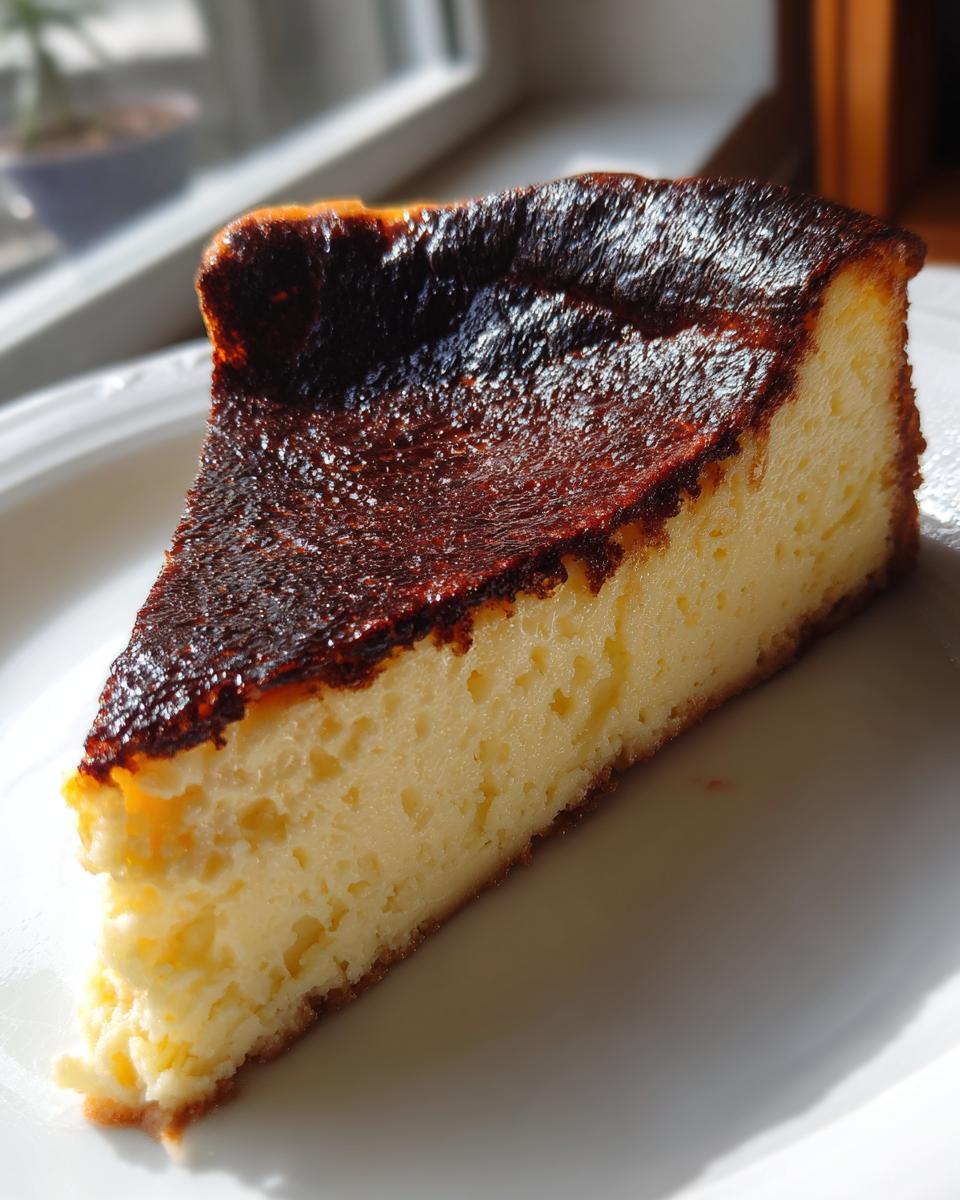
That dark, almost blackened top everyone sees on the best **Basque cheesecake**? It’s totally intentional, I promise! It comes from baking the cheesecake at a higher heat than you might expect. This intense heat rapidly cooks the top layer, triggering that beautiful caramelization. It adds an amazing depth of flavor that’s slightly toasted and pairs perfectly against the sweet, custardy interior. Don’t be scared of the dark spots—that’s where the fun part is! This reliance on high heat is the key to a true No water bath cheesecake.
Ingredients for Your Creamy Cheesecake No Crust
When it comes to this **creamy cheesecake no crust**, we keep things minimal, which is why the quality and temperature of what you use really count. Remember, this recipe shines because it’s simple, so resist the urge to swap things out!
You’ll need four (8 ounce) packages of full-fat cream cheese, and listen closely: it absolutely must be softened to room temperature. That’s non-negotiable for that super smooth result. Next, grab 1 1/2 cups of granulated sugar and 1 1/2 cups of heavy cream. We use six large eggs, also at room temperature, and one teaspoon of pure vanilla extract, plus 1/4 teaspoon of salt.
I’ve noted an optional 1/4 cup of all-purpose flour in the full recipe instructions; using it just gives the structure a tiny bit more backbone, but you can totally skip it if you want the absolute softest possible texture.
How to Prepare Your Easy Basque Cheesecake Guide
Alright, let’s get down to the simple magic of making your **Basque cheesecake**! This is where the ‘easy’ really kicks in. We’re using a standard 9-inch springform pan because it’s perfect for achieving that rustic, free-form look we adore. Honestly, once you see how little fuss this requires, you’ll never go back to those fussy traditional recipes. My goal here is to give you a stunning, gourmet-looking dessert without needing any special equipment; just a mixer and a little confidence!
Preparation Steps: Lining the Pan and Mixing
First thing: preheat that oven to a hot 400°F (200°C). Then, you need to line your springform pan with two overlapping sheets of parchment paper. Don’t be shy—let that paper stick up several inches over the sides! The crinkles and high sides are what give this cake its signature rustic look. Now, grab your room-temperature cream cheese. You MUST beat it until it’s absolutely, completely smooth. I mean zero lumps allowed! That’s the secret to that luxurious, velvety cheesecake texture.
Mixing Technique: Avoiding Over-aeration for the Best Basque Cheesecake Ever
This is the single most important piece of advice I can give you for a crack-free, perfect cake. Once the sugar is mixed in, you add the eggs one at a time. And when I say one at a time, I mean mix on low speed just until you can’t see the yellow anymore, then stop and add the next one. If you beat too much air into the batter, the cake inflates too fast in that high oven heat, and boom—you get cracks! We want a dense, creamy structure, not a fluffy sponge, so mix those eggs gently. It’s what makes this recipe the Best Basque Cheesecake Ever.
Baking Instructions: How to Bake Basque Cheesecake to Perfection
Once your smooth batter is poured into that crinkled parchment-lined pan, slide it onto a baking sheet (just in case!) and pop it into that 400°F oven. Bake it for about 50 to 60 minutes. You’re looking for the edges to be totally set, but the center needs to maintain a real wobble—like soft gelatin, serious movement! The top will look deeply caramelized, maybe even black in spots. That’s what we want for that amazing caramelized top dessert experience.
Cooling and Chilling for the Ideal Texture
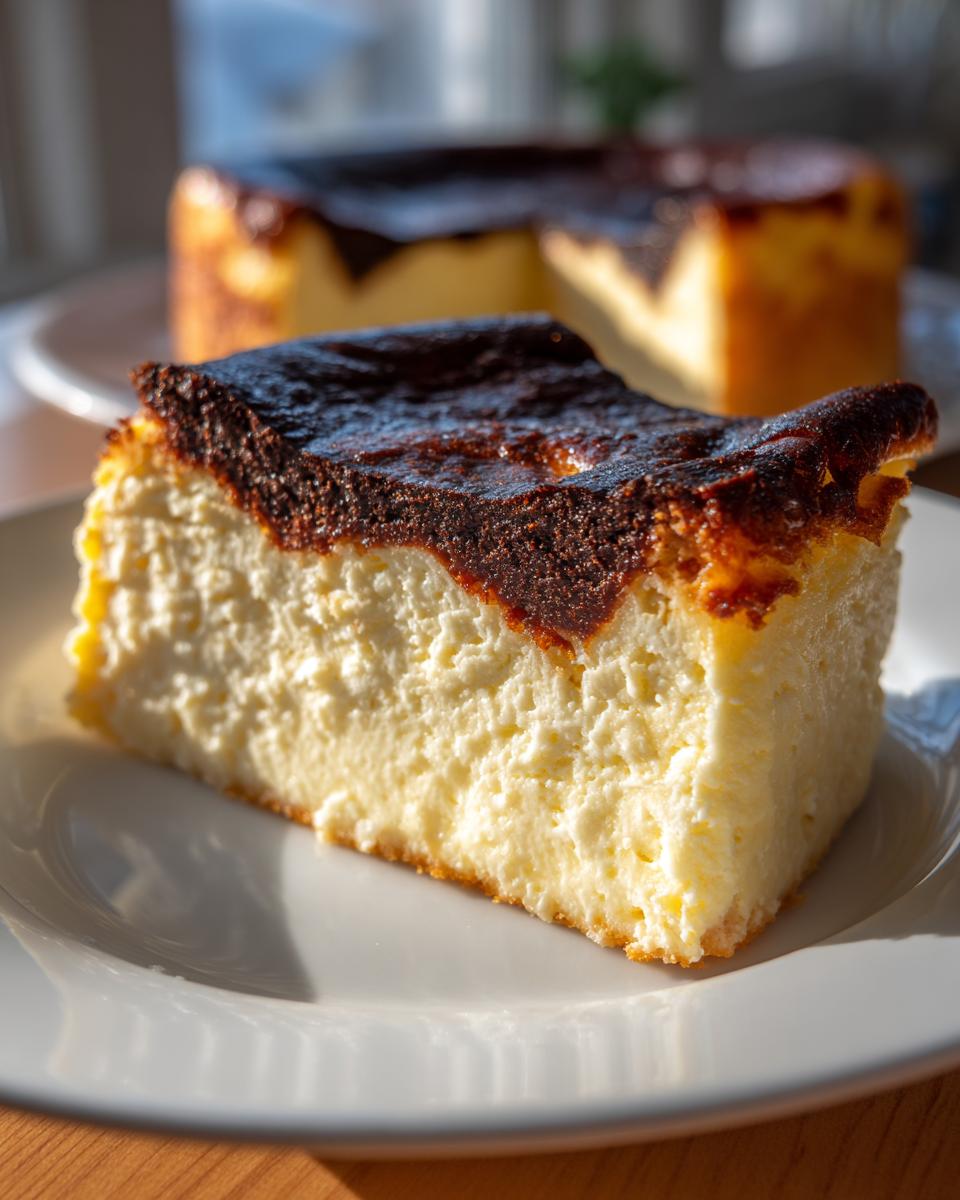
Resist the urge right when it comes out of the oven! Let it cool on the counter for a good two hours first. You’ll watch that dramatic wobble settle down as it comes to room temperature. After that, cover it loosely and stick it in the fridge for a minimum of six hours, but seriously, overnight is the way to go. Chilling is what locks in that incredible, super-creamy structure. If you serve it too warm, it’s just soup!
Tips for Success with Your Crustless Cheesecake Baking
Baking this **crustless cheesecake** is mostly about patience, especially with timing the ingredients. My number one pro tip, which I learned the hard way, is making sure absolutely everything—the cream cheese AND the eggs—is truly at room temperature. If your cream cheese isn’t soft, you’ll end up with lumps, and Ava Sinclair does not do lumpy cheesecake!
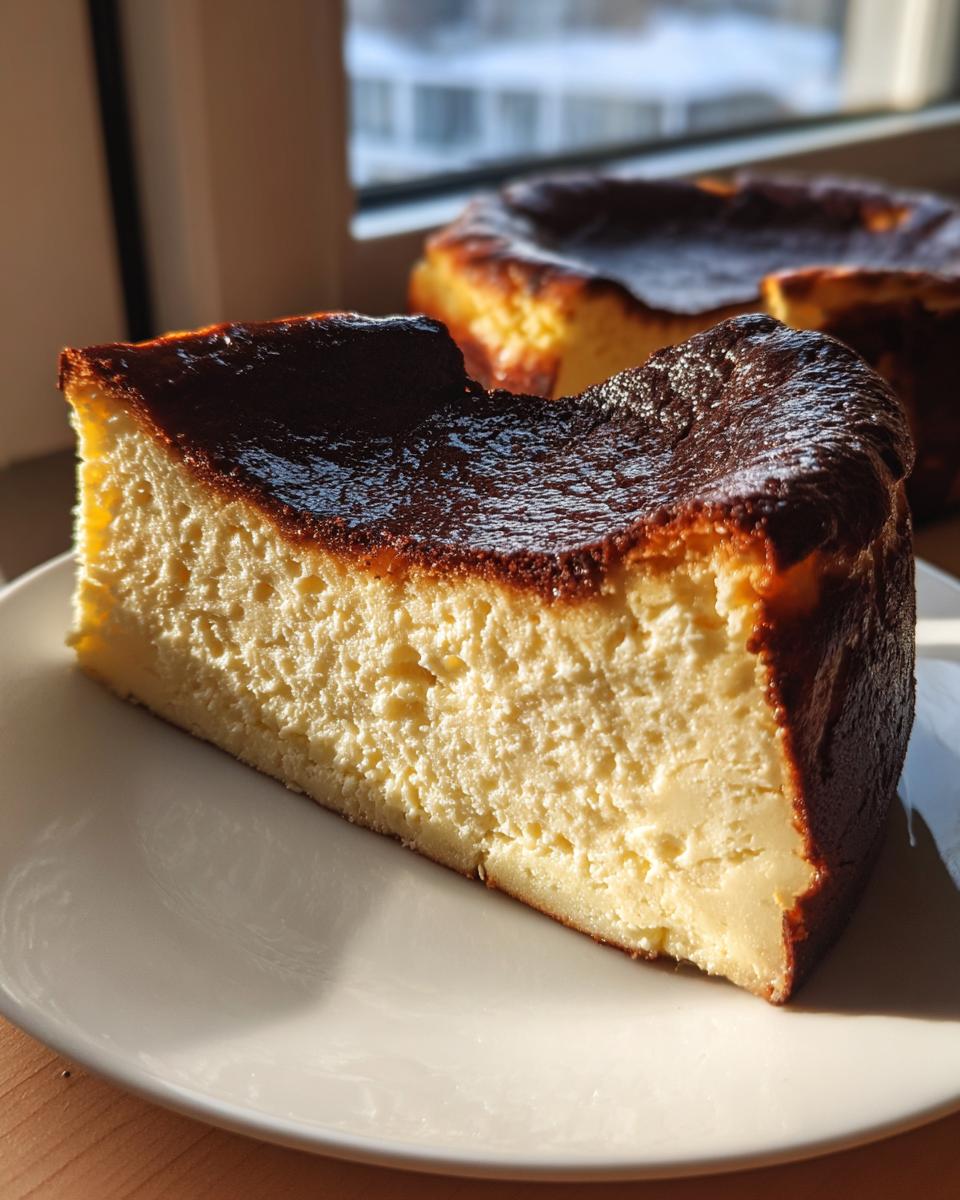
When it comes to serving this amazing **gourmet easy dessert**, think about temperature. You want the creamiest result possible, so pull it out of the fridge about an hour before you plan to slice it. Serving it slightly warmer than fridge temperature lets that center turn beautifully decadent.
I also always peek at my neighbors who are trying to bake this, and they often ask about using lower-fat products; don’t do it! You need that full fat content for the texture. For more expert baking insights, you can check out this great resource on Burnt Basque Cheesecake recipe techniques.
If you are looking for something savory to serve alongside, my recipe for creamy garlic sauce recipe easy 10 minute is always a crowd-pleaser!
Variations: Trying a Loaf Pan Basque Cheesecake
I know not everyone has a 9-inch springform pan lying around, or maybe you’re just baking for a smaller crowd, which is totally fine! Because the **Burnt Basque Cheesecake recipe** is so popular right now, I’ve seen tons of people successfully making a **loaf pan Basque cheesecake** version, and it’s brilliant for smaller portions. It maintains that gorgeous rustic look but is easier to slice and serve for an intimate treat.
The adaptation is super easy, too. You’ll generally use the exact same batter amount, but since the depth changes, you need to watch your timing carefully. You might find it needs about 5 to 10 minutes less baking time than the 9-inch round, so start checking it sooner! I love seeing these smaller bakes; they fit perfectly into my banana zucchini bread pan rotation.
If you try baking this in a loaf pan, definitely make sure you line it generously with parchment paper, letting plenty hang over the sides. You can check out some great inspiration for the technique over at The Best Basque Cheesecake Loaf.
Serving Suggestions for Your Rustic Dessert Ideas
This **Basque cheesecake** is truly stunning on its own, right? That’s the beauty of these **minimal ingredient desserts**—they don’t need much fuss to shine. If you want to dress it up just a touch, I always go for simple elegance.
A light dusting of powdered sugar is always classic and keeps that rustic look intact. If you’re feeling like adding some color, fresh raspberries or sliced strawberries are perfect because their bright tartness cuts through the richness beautifully. I love plating it with a side of my winter fruit salad for a fresh contrast. Honestly, though, the absolute best pairing is a strong, dark coffee. It mirrors the caramelized notes on top perfectly!
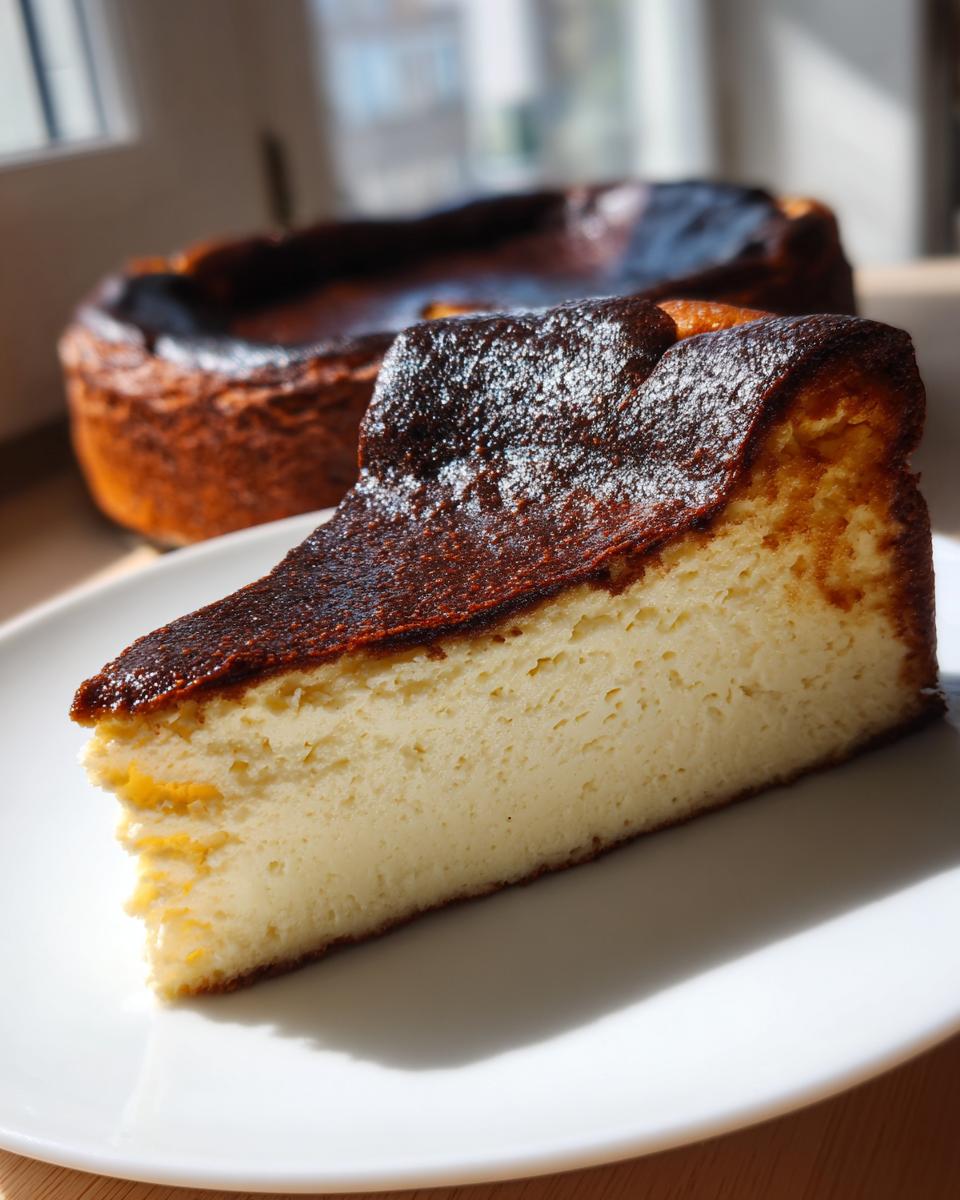
Storage & Reheating Instructions for San Sebastian Cheesecake Recipe
So, how do you keep this beautiful **San Sebastian cheesecake recipe** tasting perfect after you’ve managed to save a slice or two? That’s the easy part! Once it’s completely cooled down from room temperature, you want to cover it loosely with plastic wrap. Don’t smash the wrap right onto the top, especially if it’s the day after you baked it and the top is setting up—you don’t want to stick to that gorgeous caramelized crust!
Keep it in the refrigerator. It will last well for about three to four days, easily. Now, here’s the key thing everyone asks: the texture changes when it’s cold! When you pull it straight from the fridge, it’s much firmer, almost like a classic New York cheesecake, which some people actually prefer. But if you want that famous, decadent, molten creaminess, you have to let it sit out. Don’t even think about the microwave; that will ruin the texture completely.
Just slice off what you need and let it sit on the counter for about 30 to 45 minutes. That little bit of warmth brings that velvety center right back to life. If you’re looking for delicious savory bread to serve alongside this, you should check out my recipe for easy homemade naan bread recipe skillet!
Frequently Asked Questions About Basque Cheesecake
I get so many messages asking about the little details of this recipe, which is wonderful! It means you’re truly planning to make this incredible dessert. It’s totally normal to have questions, especially when you’re aiming for that perfect caramelized top. Here are the big ones I hear all the time about making the **creamy cheesecake no crust**.
Is the burnt top on the Basque Cheesecake supposed to be bitter?
This is such a common concern, and I totally get why you ask! When you see how dark that top gets, you worry it’s going to taste like charcoal, but I promise you, it shouldn’t be bitter at all. The high heat creates a deep, complex caramelization—think of the flavor of intensely browned butter or rich toffee. That slight toastiness balances the sweetness inside perfectly. If yours tastes bitter, it likely baked too long, or maybe you had an ingredient burn on the bottom. We’re going for dark brown and beautiful, not truly burned!
How do I make this a firmer, less creamy cheesecake no crust?
That signature velvety cheesecake texture is the whole point for me, but I know some people really prefer a denser slice, similar to a baked New York style! If that’s you, there are two easy adjustments you can make to this **Easy Basque cheesecake guide**. First, make sure you include that optional 1/4 cup of flour listed in the mix; that little bit helps stabilize the structure against the high heat. Second, keep an eye on the bake time. If you bake it five minutes longer than I suggested, while still checking for a definite wobble, you’ll firm that center right up without losing too much of that buttery flavor.
Can I use low-fat cream cheese for this recipe?
Oh, sweet friend, please don’t try it! I really have to advise against using low-fat or Neufchâtel cream cheese here if you want the authentic experience. The high fat content in the full-fat cream cheese is what emulsifies so beautifully with the cream and eggs to create that melt-in-your-mouth, super **creamy cheesecake no crust** interior. Low-fat cheese just doesn’t have the fat necessary to create that luxurious, almost soufflé-like texture when baked. You’ll end up with something flat or grainy. Stick with the good stuff for the best Basque cheesecake ever!
Nutritional Estimates for Your Impressive Homemade Desserts
I always get asked about the nutritional side of things, and I want to be totally upfront with you all. When you’re sharing something as rich and delicious as this **Basque cheesecake**, it’s helpful to have a ballpark idea of what you’re working with. Because this cake is so decadent—and rightfully so!—it definitely leans toward the richer side.
These figures are based on the recipe making 10 generous slices, but remember, this is just my best estimate based on standard ingredients. As bakers, we know that every brand of cream cheese or amount of residual sugar clinging to the sides can change those numbers slightly! This is just a starting point for those tracking macros, not a medical guarantee!
- Serving Size: 1 slice
- Calories: 450
- Sugar: 35g
- Sodium: 250mg
- Fat: 34g
- Saturated Fat: 21g
- Carbohydrates: 28g
- Protein: 8g
If you want to know more about the philosophy behind why Ava Sinclair keeps these recipes grounded in real, whole ingredients, you can always check out my About Page. Baking should feel good, and knowing what’s in your food helps with that!
Share Your Experience Baking This Basque Cheesecake
I genuinely hope you enjoyed making this incredible **Basque cheesecake** as much as I loved sharing it with you! Truly, this is one of my favorite recipes from the Misty Plate kitchen because it proves you don’t need a complicated process to achieve something utterly spectacular.
Now that you’ve pulled that gorgeous, deeply caramelized dessert out of the oven and hopefully had a blissful taste, I would absolutely love to hear what you thought! Did your top get beautifully dark? Is the center just as velvety as promised? Don’t keep that experience to yourself!
Please drop a rating down below—it helps other home cooks feel confident trying this recipe. And if you have a moment, leave a comment telling me how it went. Did you serve it plain or go for a little homemade fruit topping? I read every single one of your notes and appreciate you joining me in this kitchen adventure. If you’re curious about my policies or just want to check out some other simple recipes, feel free to look over my privacy policy.
Happy baking, everyone—I can’t wait to hear about your perfect, rustic, crustless cheesecake successes!
PrintThe Ultimate Easy & Creamy Burnt Basque Cheesecake Recipe
Make the best Basque Cheesecake with this straightforward recipe. You achieve a perfectly caramelized, burnt top and a rich, velvety, creamy center without using a water bath or crust. This is an impressive yet easy homemade dessert.
- Prep Time: 15 min
- Cook Time: 60 min
- Total Time: 7 hours 15 min
- Yield: 10 servings 1x
- Category: Dessert
- Method: Baking
- Cuisine: Spanish
- Diet: Vegetarian
Ingredients
- 4 (8 ounce) packages full-fat cream cheese, softened to room temperature
- 1 1/2 cups granulated sugar
- 1 1/2 cups heavy cream
- 6 large eggs, room temperature
- 1 teaspoon pure vanilla extract
- 1/4 teaspoon salt
- 1/4 cup all-purpose flour (optional, for a slightly firmer texture)
Instructions
- Preheat your oven to 400°F (200°C). Take out a 9-inch springform pan. Line the bottom and sides of the pan with two overlapping sheets of parchment paper, allowing the paper to extend several inches above the rim of the pan. This rustic look is part of the charm.
- In a large bowl, use an electric mixer to beat the softened cream cheese until it is completely smooth and there are no lumps remaining. Scrape down the sides of the bowl often.
- Gradually add the sugar to the cream cheese mixture and beat until fully combined and creamy.
- Beat in the heavy cream and vanilla extract until just combined. Do not overmix at this stage.
- Add the eggs one at a time, mixing on low speed after each addition only until the yolk disappears into the batter. Overmixing the eggs incorporates too much air, which can cause cracking.
- If using, whisk the flour and salt together in a small bowl, then gently whisk this mixture into the batter until just incorporated.
- Pour the batter into the prepared springform pan. The batter will fill the pan about three-quarters full.
- Place the pan on a baking sheet (to catch any potential drips) and bake for 50 to 60 minutes. The top should be deeply caramelized, almost black in spots, and the edges should look set. The center should still have a significant wobble, similar to soft gelatin.
- Remove the cheesecake from the oven. Let it cool completely on a wire rack at room temperature for about 2 hours. The center will continue to set as it cools.
- Once cool, cover the pan loosely with plastic wrap and refrigerate for at least 6 hours, or preferably overnight, for the best velvety texture.
- To serve, carefully remove the sides of the springform pan and peel away the parchment paper. Serve this crustless cheesecake at room temperature for the creamiest result.
Notes
- For the best creamy texture, ensure your cream cheese and eggs are at true room temperature before you begin mixing.
- If you prefer a smaller, more intimate dessert, you can adapt this recipe for a loaf pan, reducing the baking time slightly.
- This San Sebastian cheesecake is best served slightly warm or at room temperature, not ice cold from the refrigerator.
Nutrition
- Serving Size: 1 slice
- Calories: 450
- Sugar: 35
- Sodium: 250
- Fat: 34
- Saturated Fat: 21
- Unsaturated Fat: 13
- Trans Fat: 0.5
- Carbohydrates: 28
- Fiber: 0
- Protein: 8
- Cholesterol: 180