

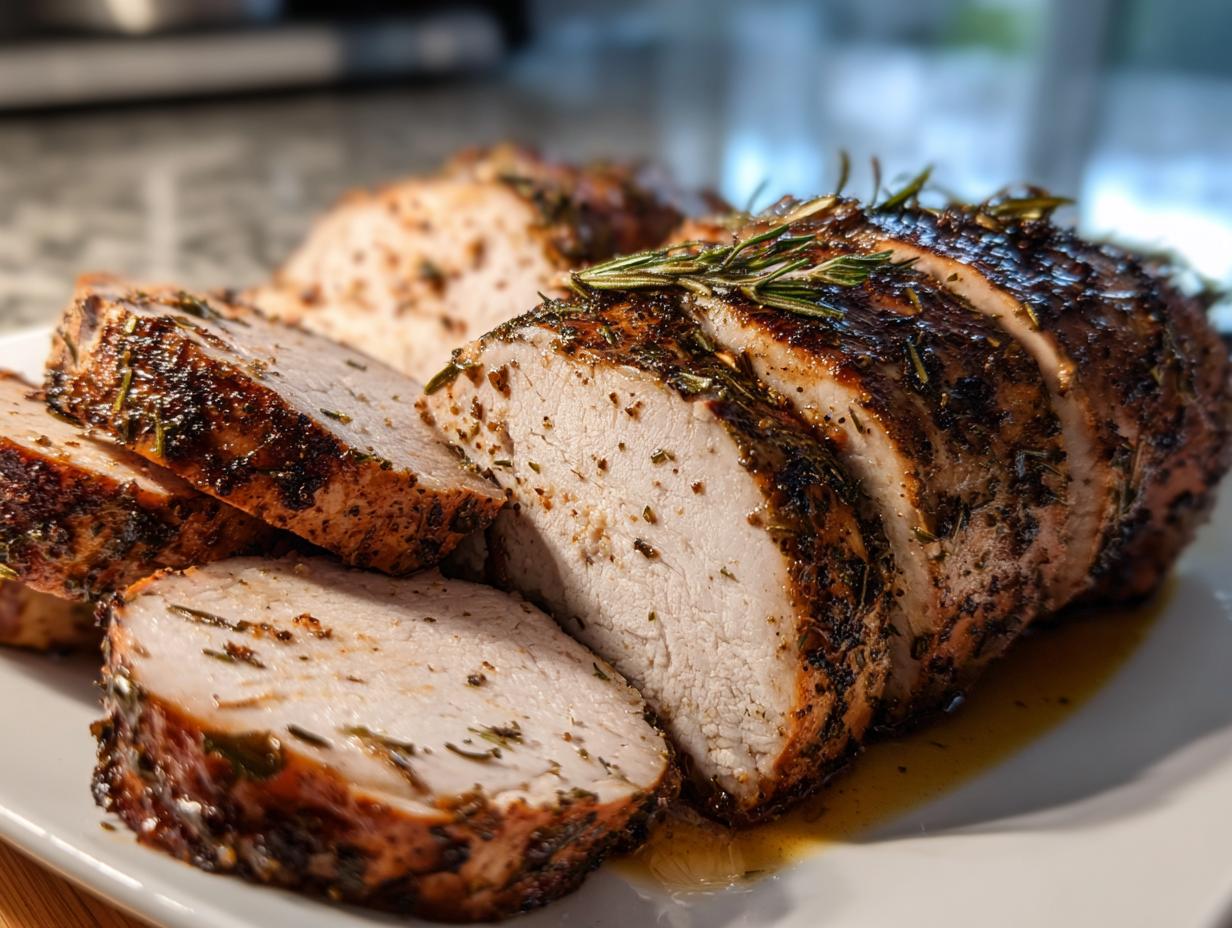
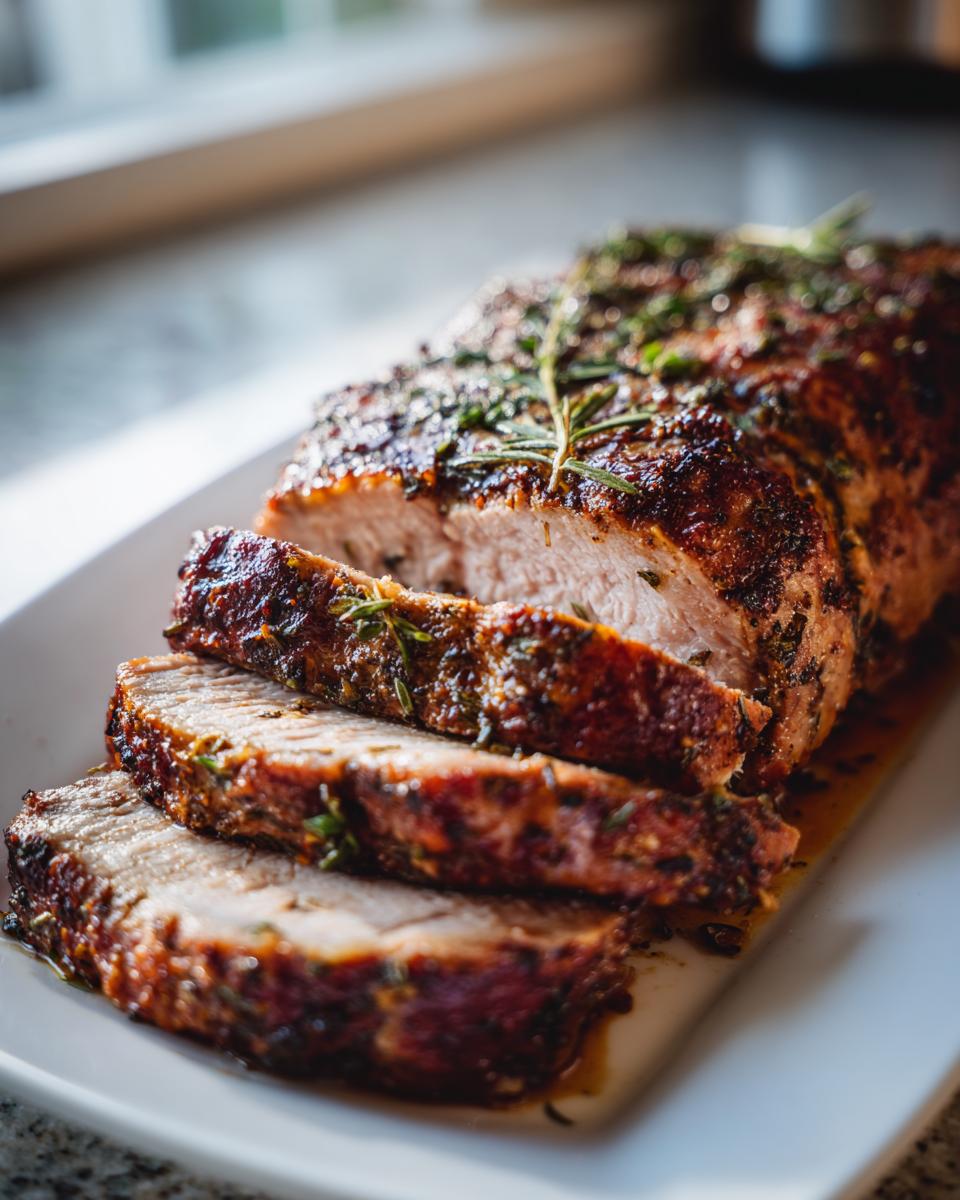
If you’ve ever worried about serving a dry roast, let me put your mind at ease right now. That’s a problem we solve here in the kitchen! My approach, following the core philosophy of Misty Plate, is that food should be simple, honest, and deeply satisfying. We aren’t aiming for fuss; we are aiming for perfection with minimal effort. That’s why this pork loin roast recipe is my go-to. It uses just a handful of pantry spices, yet it delivers a tender, incredibly flavorful result every single time. It’s robust enough to anchor a proper sunday roast recipe, but quick enough that it feels like a genuine weeknight dinner miracle.
- Why This Juicy Pork Loin Roast Succeeds Every Time
- Ingredients for Your Easy Pork Dinner
- How to Prepare the Oven Roasted Pork
- The Essential Rest Period for a Tender Pork Loin Roast
- Making a Simple Pan Sauce Gravy from Drippings
- Serving Suggestions for Your Sunday Roast Recipe
- Storage and Reheating Instructions
- Frequently Asked Questions About Your Pork Loin Roast
- Estimated Nutritional Data for This Pork Loin Roast
Why This Juicy Pork Loin Roast Succeeds Every Time
Honestly, there are a million ways to roast a pork loin, but most of them leave you with something tough by the time you slice it. That just won’t do! We are aiming for something truly special here—a juicy pork loin that practically melts. Here’s why this simple method always wins out in my kitchen:
- Speed and Simplicity: We’re using basic dried spices and oil, meaning you don’t have to rush out for specialty ingredients. It’s truly an easy pork dinner idea when life gets busy.
- The Two-Stage Sear: That initial blast of high heat locks in flavor and develops a lovely outer crust before we let the oven gently bring the inside up to temperature. It’s a technique I learned works wonders for almost any roast.
- Reliable Seasoning: The blend of thyme, salt, pepper, and garlic hits that savory-herbaceous note everyone loves, acting as a fantastic base for any pan sauce gravy you might want to whip up later.
- Minimal Ingredients, Maximum Impact: We aren’t masking the flavor of the pork; we are celebrating it. This recipe proves you don’t need a long marinade to get a spectacular result.
Achieving the Perfect Pork Loin Internal Temp
I cannot stress this enough: if you want a tender roast, you have to ditch the guesswork and rely on your thermometer. This is where true kitchen confidence comes from! For this recipe, the magic number for the pork loin internal temp is exactly 145°F (63°C). When that thermometer reads 145°F, pull it immediately. Seriously, take it out! The residual heat while it rests will carry it the final few degrees, ensuring you don’t overcook those beautiful juices. If you cook past 150°F, you’re going to lose that amazing moisture we worked so hard to trap inside.
Ingredients for Your Easy Pork Dinner
When I call this an easy pork dinner, I mean it! You probably have most of this in your spice rack already. Making this pork loin roast perfect comes down to using the right amount of good, basic seasoning. Don’t overcomplicate your flavor profile here; let that pork shine!
Here is exactly what you’ll need for a nearly 3-pound roast:
- 3 lb pork loin roast, bone-out (make sure it’s tied well, or tie it yourself!)
- 2 tablespoons olive oil (just regular olive oil is fine; no need for fancy stuff here)
- 1 tablespoon kosher salt (use kosher, it adheres better than table salt)
- 1 teaspoon black pepper (freshly cracked is always best, if you have it handy)
- 1 teaspoon garlic powder
- 1 teaspoon dried thyme
Ingredient Notes and Substitutions
A few quick notes to ensure your prep goes smoothly. First, when you’re buying the roast, try to find one that is as close to uniform in thickness as possible. This is the secret to getting an evenly cooked roast without one end drying out while you wait for the center to finish.
If you don’t love thyme, it’s okay to swap it out! Rosemary works beautifully with pork, or even a little pinch of dried sage if you’re feeling autumnal. Just use the same amount—one teaspoon of dried herbs is plenty for this amount of meat. And related to the salt, if you are using super fine table salt instead of kosher, maybe reduce that measurement slightly, just because table salt is much denser.
How to Prepare the Oven Roasted Pork
Okay, now for the fun part: getting this gorgeous piece of meat ready for the heat! Before we even think about turning on the oven, we need to make sure the surface of the pork loin roast is ready to accept that beautiful crust. My favorite tip, which I picked up trying to streamline my city cooking schedule, is to take extra time patting it completely dry with paper towels. As I talk about over on the Misty Plate about page, the simplest steps make the biggest difference!
Dry meat means browning, and browning means flavor. After that, mix up your spice rub—salt, pepper, garlic powder, and thyme—and rub it all over the roast, coating it evenly with the olive oil first to help everything stick. You’re making beautiful basic oven roasted pork here, so don’t skimp on covering every side of the meat!
Crucial Timing for the Pork Loin Roast
This isn’t just ‘set it and forget it’ cooking; we’re doing a two-stage temperature dance! First, crank that oven up to 400°F (200°C) and let that roast sit there for exactly 15 minutes. This high heat gives us our initial sear. Then—and this is important—immediately drop the temperature down to 350°F (175°C). Keep cooking now until your meat thermometer reads 145°F (63°C) in the thickest part. Pulling it based on that temperature is the single most reliable way to ensure you get that perfect, tender slice later on.
The Essential Rest Period for a Tender Pork Loin Roast
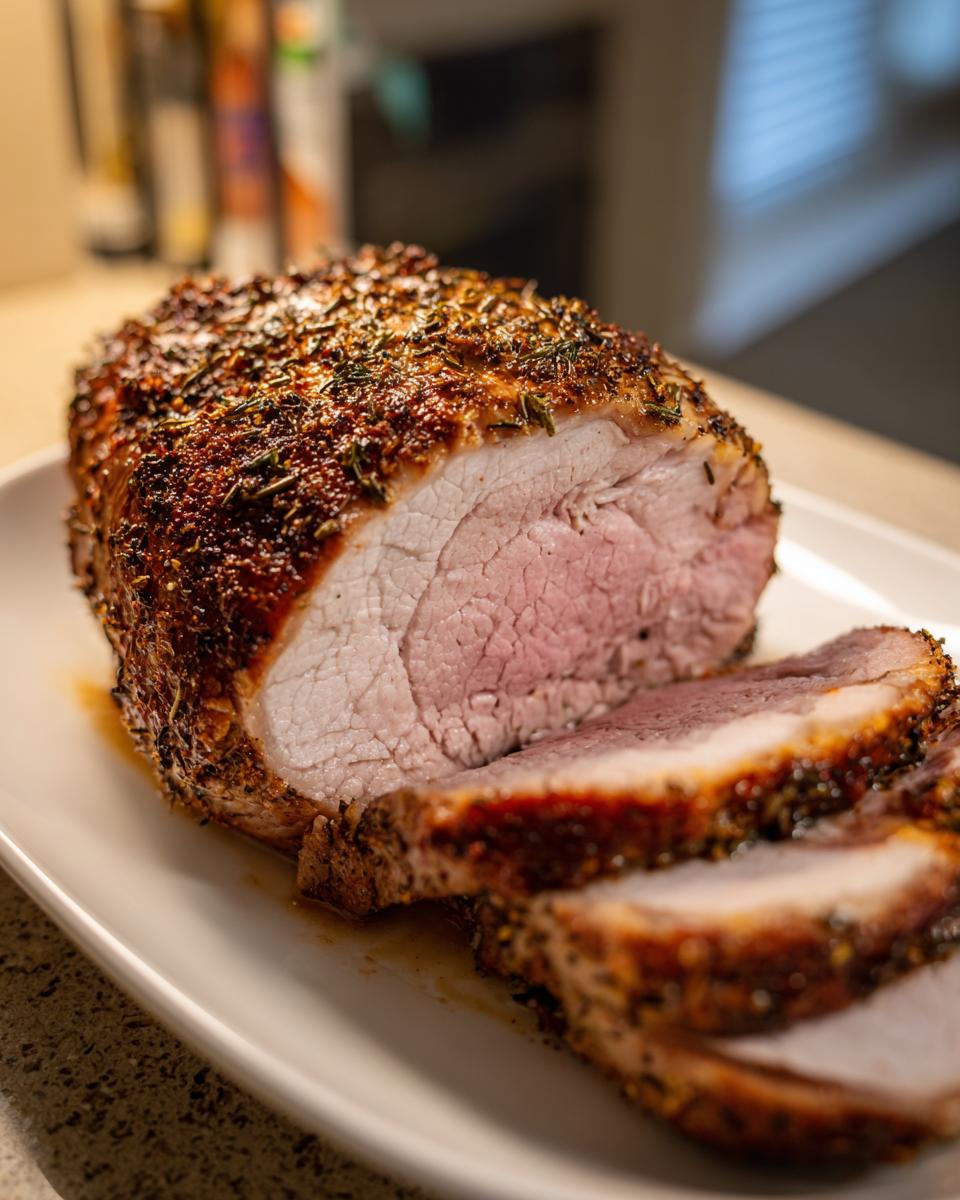
Okay, you’ve successfully managed the heat, you’ve pulled the roast out right at that magical 145°F mark—now, here is the step that trips up so many home cooks. You absolutely cannot skip the rest time! Seriously, if you take this pork loin roast straight from the oven to the cutting board, all those beautiful, hard-earned juices—the things that make the meat tender—will immediately run out onto your board. It’s heartbreaking, trust me.
You need that meat to relax. Once you take it out of the heat, loosely tent it with some aluminum foil. I mean *loosely*! You aren’t trying to steam it or trap all the heat in; you’re just creating a gentle warm tent so the muscle fibers can slowly reabsorb all that moisture. This process takes about 10 to 15 minutes, depending on the size of your roast. Set a timer!
When I first started cooking, I’d peek underneath the foil constantly, worried the meat would get cold. But patience pays off here. Resting ensures that when you finally slice into that roast, those juices stay right where they belong—inside the meat! This is the number one, non-negotiable secret to achieving that incredibly juicy pork loin we talked about.
Making a Simple Pan Sauce Gravy from Drippings
Once that wonderful pork loin roast is resting happily under its little foil tent, the real treasure is left behind in the roasting pan: those gorgeous brown bits stuck to the bottom! We absolutely cannot waste those flavorful little nuggets. They are the absolute foundation of a fantastic, five-minute pan sauce gravy that elevates this simple meal into something worthy of a weekend spread.
This is probably the easiest part of the whole cooking process, so don’t chicken out! You just need to move quickly while the pan is still hot.
- First, carefully take your roasting pan—once the pork is out—and set it directly on a stovetop burner over medium heat. If your pan isn’t stovetop safe (like some glass ones), you’ll need to transfer those drippings into an actual small saucepan first.
- Let the drippings heat up slightly. Then, the most important step: grab a wooden spoon or a spatula and scrape up all those browned, caramelized bits from the bottom of the pan. This messy scraping is what deglazing is all about!
- Pour in just a splash—maybe half a cup to start—of liquid. Chicken broth works best because it’s neutral, but even water will grab onto all that flavor. Let it bubble for a minute, scraping again to incorporate everything into a small amount of liquid.
- For a proper pan sauce gravy, you might want to thicken it up. Take about a tablespoon of cornstarch and whisk it really well with two tablespoons of cold water in a separate tiny bowl until it’s smooth—that’s called a slurry.
- Pour that slurry slowly into the simmering drippings, whisking constantly. It will thicken up almost instantly! If it gets too thick, just splash in a tiny bit more water or broth until it pours nicely over your sliced pork. Taste it, adjust the salt if needed, and serve it right alongside your perfectly juicy pork loin!
See? That’s how you turn simple pan drippings into something rich and savory without using any flour or spending half an hour on a complicated sauce. It’s all about honoring those flavorful little bits left behind!
Serving Suggestions for Your Sunday Roast Recipe
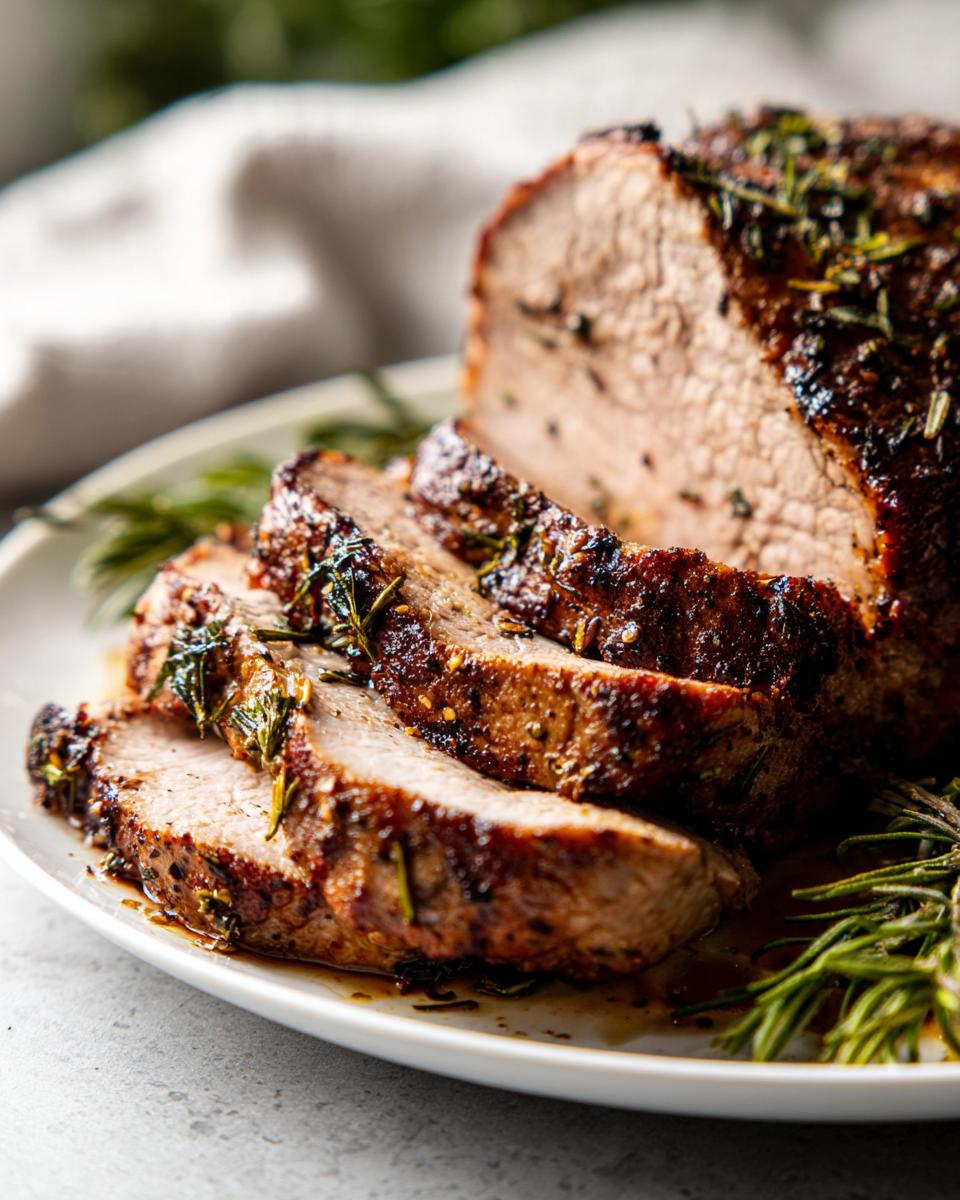
Now that you’ve mastered the roast itself and made that killer pan sauce, you need things to serve alongside it, right? A great pork loin roast deserves some excellent company on the plate to make it feel like a true sunday roast recipe centerpiece. Since the pork itself is so beautifully simple and savory, we want sides that are either creamy and comforting or bright and earthy to cut through that richness.
Don’t stress about complicated sauces or fancy purees; we stick to that simple, satisfying philosophy here. I usually aim for a starch, a green vegetable, and maybe something roasted to tie it all together. Here are my tried-and-true favorites that always make an appearance at my table:
- Creamy Mashed Potatoes: You can’t go wrong here. I use Yukon Golds because they mash up beautifully fluffy without too much effort. I always put a knob of butter and a splash of hot milk right into the bowl before I mash—it just tastes right for that classic Sunday feel. They are the perfect vehicle for drowning in that leftover pan sauce gravy, by the way!
- Simple Roasted Root Vegetables: This is a great way to get color and depth without much hands-on time. Toss carrots and parsnips (maybe even some small potatoes) with a drizzle of olive oil, salt, and pepper. Roast them right alongside your pork for the last 45 minutes of the cooking time. They caramelize perfectly and taste so sweet next to the savory pork.
- Garlicky Sautéed Green Beans: For something bright, nothing beats quick-blanched green beans (snap them right before you boil them!) tossed in a hot skillet with just a little butter, a squeeze of fresh lemon juice, and a lot of minced garlic. They cook in under five minutes, and they add that necessary little bit of fresh crunch to the meal.
When you put these three components together—the tender slices of juicy pork loin, the creamy potatoes soaking up the sauce, and that crisp, bright green vegetable—you’ve achieved that perfect, nourishing home-cooked feeling without spending all day chained to the stove. It’s truly the best reward after handling that perfect pork loin internal temp!
Storage and Reheating Instructions
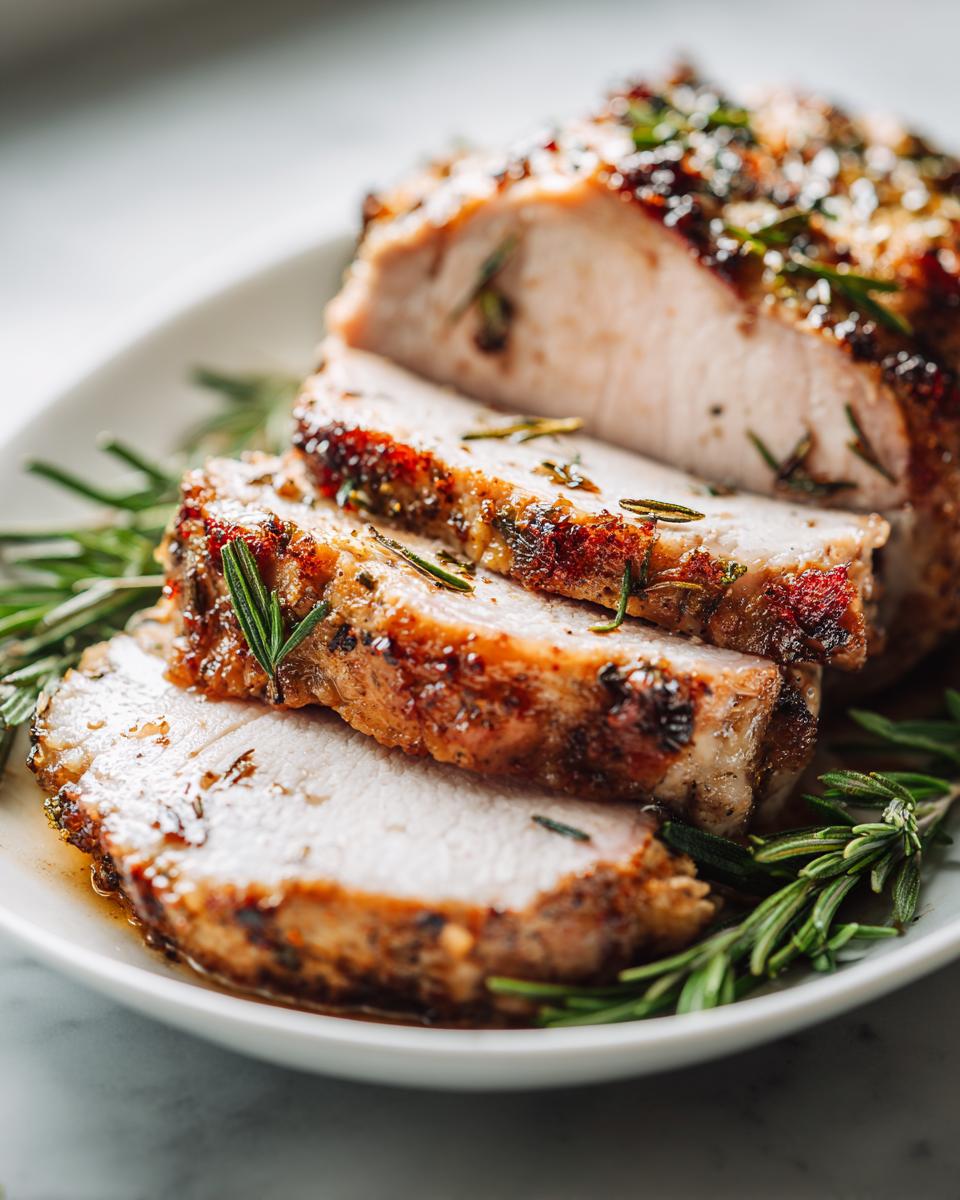
One of the best things about making a big, beautiful pork loin roast is having leftovers! I always plan for it, because honestly? Sometimes this roast tastes even better the next day, especially mixed into a quick lunch salad or tucked into a sandwich. But we need to treat those leftovers right so they still taste like that succulent juicy pork loin we worked so hard to create.
For storage, safety first, always! Once the meat has cooled down slightly after resting—don’t leave it sitting out for hours—slice up any remaining pieces against the grain and pop them into an airtight container. You can keep these slices in the refrigerator for about three to four days, maximum. Don’t worry if they look a little pale; that color difference is normal once cooked.
The key to reheating is moisture, moisture, moisture! High heat instantly dries out lean pork, which is the opposite of what we want. So, forget the microwave zapping everything dry. Instead, I use a trick that borrows from my beginner days when I was constantly battling dry chicken:
- Place your sliced leftover roast into an oven-safe dish.
- Add just a spoonful or two of liquid to the bottom of the dish. This can be any leftover pan sauce gravy you made, or just a splash of broth or even water. This creates steam!
- Cover that dish tightly with foil. Don’t just lay it over the top; seal the edges well so that steam can’t escape.
- Reheat in a low oven—about 300°F (150°C)—until the meat is just heated through. This usually takes about 10 to 15 minutes, depending on how many slices you have. Check it gently; you don’t want it simmering, just warming up.
If you absolutely must use the microwave for speed, always use low power settings and place a damp paper towel over the top of the slices. This keeps the moisture locked in and prevents that tough, chewy texture. Keep these tips in mind, and you’ll enjoy that incredibly tender pork loin roast all week long!
Frequently Asked Questions About Your Pork Loin Roast
I know sometimes when you’re scanning recipes on the fly, you have a few quick questions. That’s totally normal! Cooking something as central as a pork loin roast feels important, and I want you to feel completely confident. Here are the top things folks ask me after pulling together this recipe for an easy pork dinner.
Can I cook this pork loin roast faster?
I see you eyeing that clock! Who doesn’t want dinner on the table faster? Here’s the thing: while you *can* rush the second stage by keeping the oven higher than 350°F, I strongly advise against it. That initial 15 minutes at 400°F is necessary to set that delicious, flavorful crust on the outside. If you keep the heat too high for the remaining time, you’re going to cook the outer edges way too fast, leaving you with a dry outer ring when you finally hit the correct pork loin internal temp in the center. Slow and steady wins the race for juiciness!
What if I don’t have dried thyme?
Don’t let one missing herb derail your dinner plans! Thyme is lovely because it’s earthy, but we have great substitutes for this simple roast rub. If you’re out of thyme, go for dried rosemary. Rosemary is a classic pairing with pork and it has that wonderful piney note that complements the savory seasoning blend perfectly. Use the same measurement—one teaspoon—and it will blend right in with the salt and pepper beautifully. Alternatively, a little bit of dried sage, maybe just three-quarters of a teaspoon, works really well too if you like a slightly warmer flavor!
How do I ensure I get the perfect pork loin internal temp without buying a new thermometer?
If you don’t have a thermometer handy, you’re going to have to go old-school, and honestly, it’s riskier, but doable. Stick the tip of a sharp, thin knife into the thickest part of the meat, hold it there for about 5 seconds, and then pull it out quickly. Touch the tip of the blade to your wrist or lower lip. If it feels warm but not hot, you’re likely very close to that 145°F mark. If it feels cool, put it back in! Just remember, a slight under-read is better than an over-read, because you get that rest time to carry it over.
Is this roast recipe suitable for a standard weeknight dinner?
Absolutely, yes! That’s one of the main reasons I developed this specific seasoning blend and temperature curve. Once the roast is seasoned, it’s about 60 minutes of hands-off oven time. That’s perfect downtime! You can use that hour to prep your sides, set the table, or—let’s be honest—just sit down for a minute before the final steps. It’s designed to be quick enough for a busy day but impressive enough that everyone thinks you spent hours on it!
Estimated Nutritional Data for This Pork Loin Roast
When we make food that nourishes us, it feels right to know what we are putting into our bodies. And remember, this recipe is all about simple, wholesome ingredients used well! Here is the estimated nutritional breakdown for this oven roasted pork. This data is based on the serving size we listed earlier, but I always want to give you a gentle heads-up:
These numbers are just guidelines, my friend. They are based on using the exact weights listed and standard ingredient brands. If you use a fattier cut of meat or add more salt to your vegetables than I did in the testing phase, those numbers will shift a bit. It’s important for transparency that we call these out as estimates for your planning!
- Serving Size: 4 oz cooked meat
- Calories: 280
- Protein: 40g (That’s great fuel for a long day!)
- Total Fat: 12g
- Saturated Fat: 4g
- Unsaturated Fat: 8g
- Carbohydrates: 1g
- Sugar: 1g
- Fiber: 0g
- Sodium: 450mg (This might go up or down depending on how liberally you salt the outside!)
- Cholesterol: 105mg
See? Great protein and relatively low in carbs, which makes this a fantastic, filling easy pork dinner. We keep it clean, which is exactly what I aim for with every recipe shared here at Misty Plate. You get a huge serving of delicious, perfectly cooked meat without all the unnecessary fillers.
PrintJuicy Oven Roasted Pork Loin Roast

Make a tender and juicy pork loin roast using simple ingredients. This recipe provides clear oven timing and temperature guidance for a perfect Sunday roast or easy weeknight dinner.
- Prep Time: 10 min
- Cook Time: 75 min
- Total Time: 85 min
- Yield: 6 servings 1x
- Category: Dinner
- Method: Oven Roasted
- Cuisine: American
- Diet: Low Fat
Ingredients
- 3 lb pork loin roast, bone-out
- 2 tablespoons olive oil
- 1 tablespoon kosher salt
- 1 teaspoon black pepper
- 1 teaspoon garlic powder
- 1 teaspoon dried thyme
Instructions
- Preheat your oven to 400°F (200°C).
- Pat the pork loin roast dry with paper towels. This helps create a good crust.
- In a small bowl, mix the kosher salt, black pepper, garlic powder, and dried thyme.
- Rub the olive oil all over the pork loin roast.
- Sprinkle the seasoning mixture evenly over the entire surface of the pork.
- Place the roast in a roasting pan or on a rimmed baking sheet.
- Roast at 400°F (200°C) for 15 minutes.
- Reduce the oven temperature to 350°F (175°C) and continue roasting until the internal temperature reaches 145°F (63°C) on a meat thermometer, about 15 to 20 minutes per pound total cooking time.
- Remove the pork loin roast from the oven when it reaches 145°F (63°C) internal temperature.
- Tent the roast loosely with foil and let it rest for 10 to 15 minutes before slicing. This resting period is key for a juicy pork loin.
- Slice against the grain and serve. Make a simple pan sauce gravy with the drippings if desired.
Notes
- For the juiciest pork loin, use a meat thermometer to check the pork loin internal temp. 145°F is the safe target.
- If you want a pan sauce gravy, place the roasting pan on the stovetop over medium heat after removing the roast. Scrape up any browned bits, add a splash of broth or water, and let it reduce slightly. Thicken with a slurry of cornstarch and water if needed.
- This recipe works well for an easy pork dinner or a traditional Sunday roast recipe.
Nutrition
- Serving Size: 4 oz cooked
- Calories: 280
- Sugar: 1
- Sodium: 450
- Fat: 12
- Saturated Fat: 4
- Unsaturated Fat: 8
- Trans Fat: 0
- Carbohydrates: 1
- Fiber: 0
- Protein: 40
- Cholesterol: 105